
Scroll to top
Integrated lighting from the first stroke. Create visual calm in the architecture

Integrated lighting from the first stroke. Create visual calm in the architecture

Integrated lighting from the outset. Create visual calm in the architecture. Architecture is about proportions, lines and deliberate material choices. And yet…

Nanna Eckhoff - 20 May 2026
DALI lighting control for offices – optimisation of working environment and energy consumption

DALI lighting control for offices – optimisation of working environment and energy consumption

DALI lighting control for offices – optimising the working environment and energy consumption DALI (Digital Addressable Lighting Interface) forms the backbone of modern...

Teamtronic - 7 May 2026
The new advanced light laboratory is strengthening the quality of lighting solutions

The new advanced light laboratory is strengthening the quality of lighting solutions

A new advanced light laboratory strengthens the quality of lighting solutions Photo: Teamtronic - light lab last year Teamtronic invested in advanced testing equipment…
Teamtronic - 6 May 2026
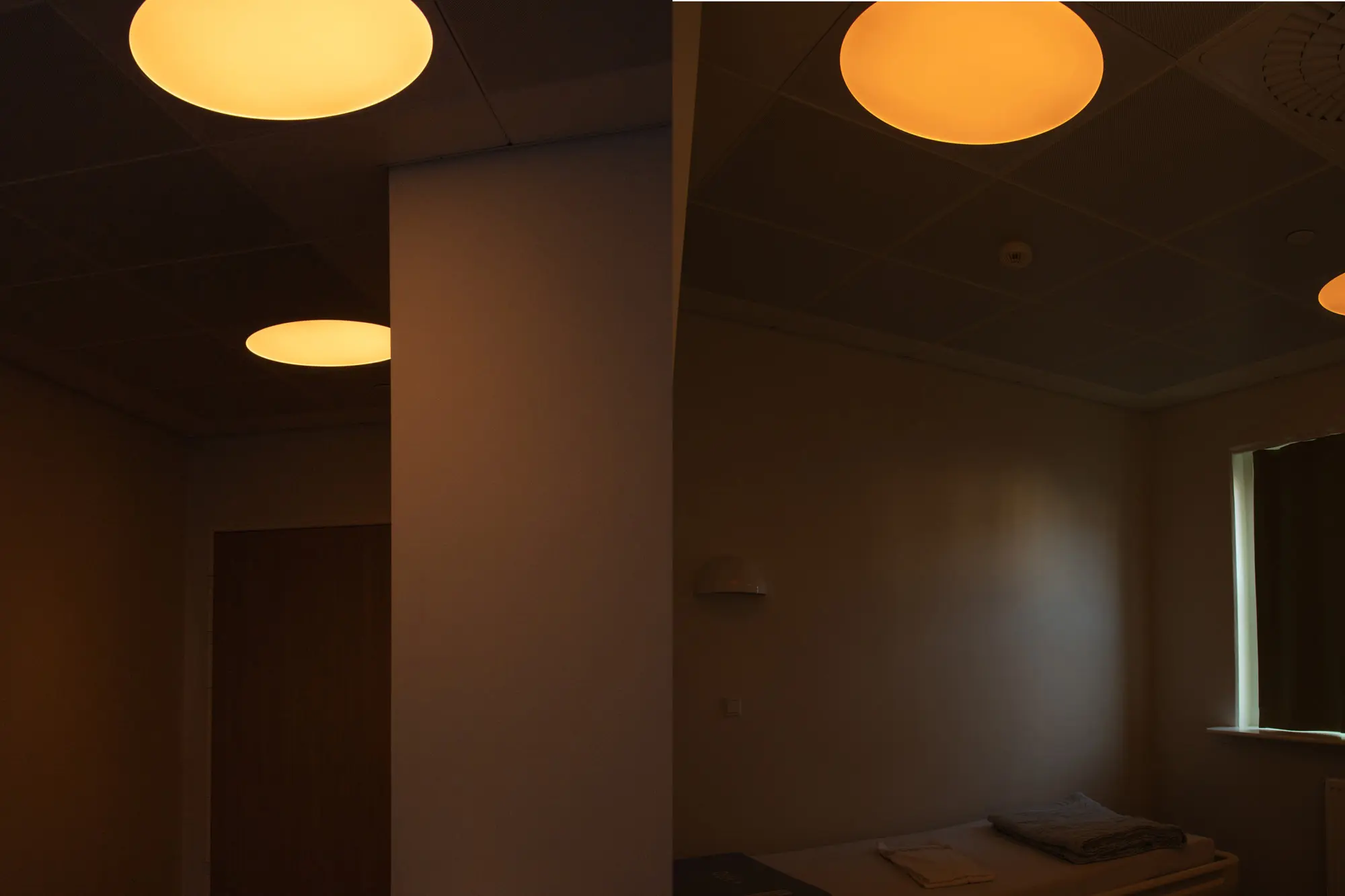
Circadian rhythm lighting and amber lighting support patients and staff

Circadian rhythm lighting and amber lighting support patients and staff

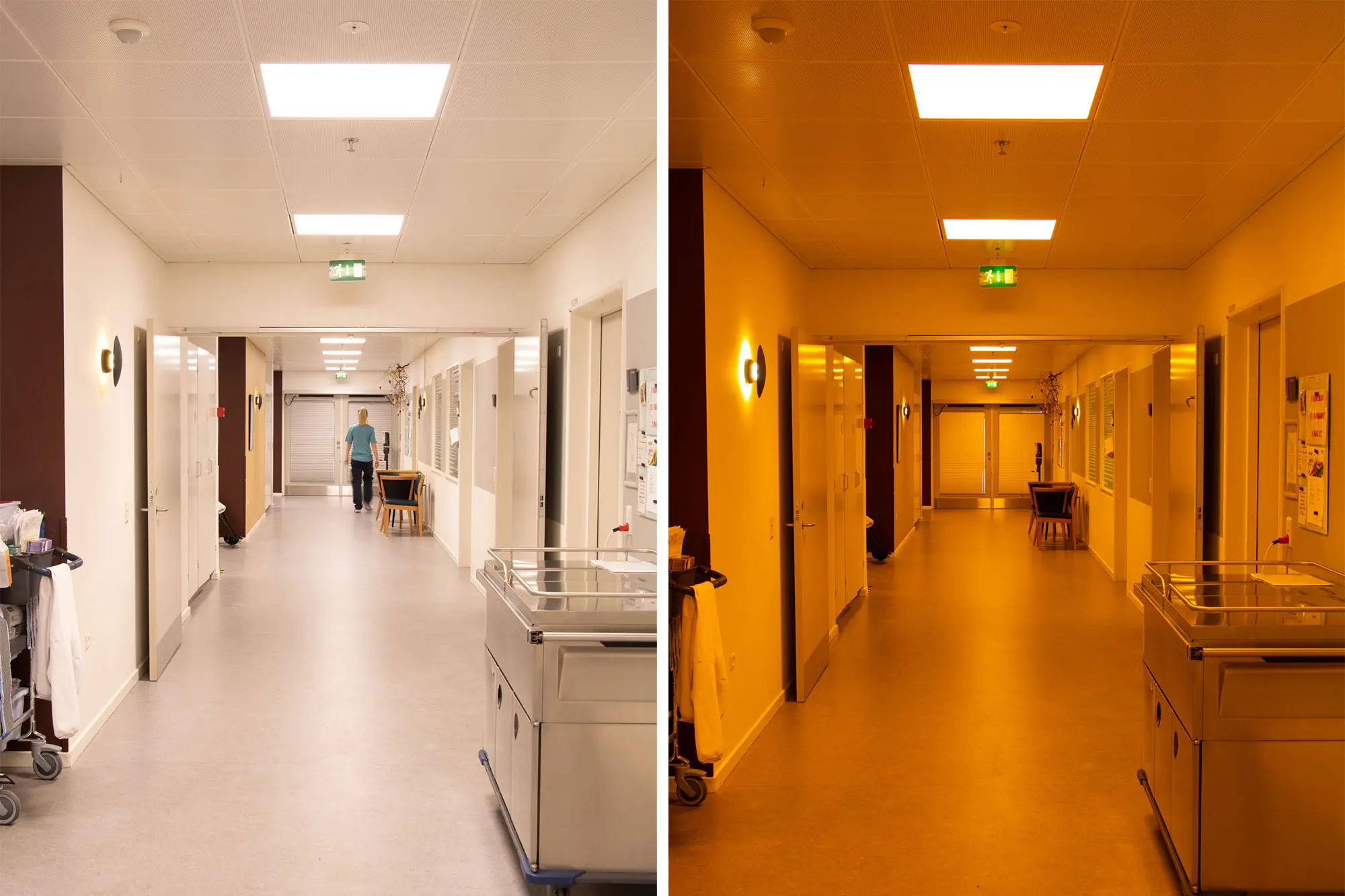
Circadian rhythm lighting and amber lighting support patients and staff at Svendborg Psychiatry Lighting supports a safe treatment environment In healthcare…
Teamtronic - 26 March 2026
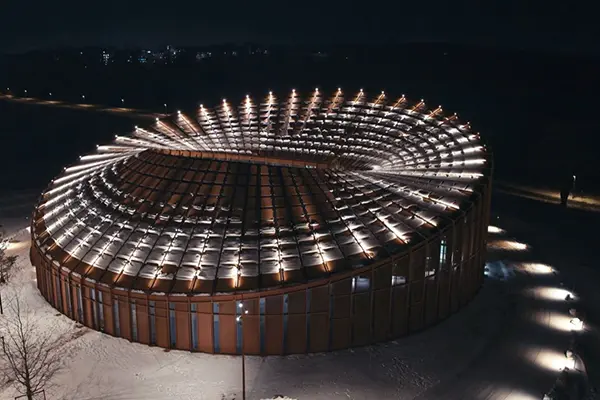
When lighting is integrated into construction - an important part of architecture and user experience

When lighting is integrated into construction - an important part of architecture and user experience

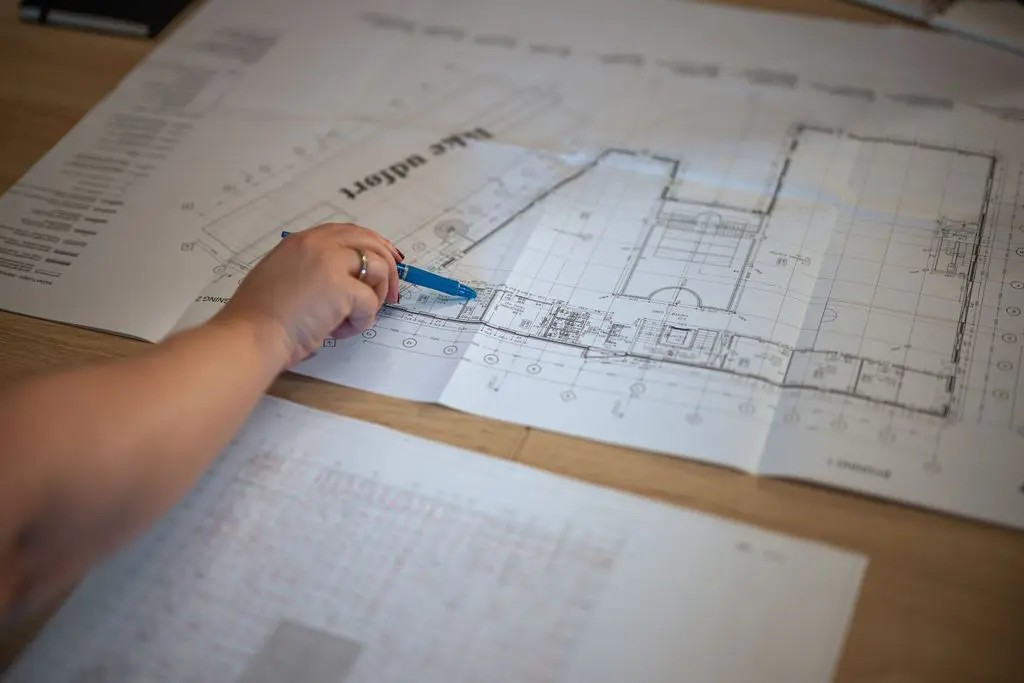
Lighting that supports architecture and process from the start. When Dymak built their new headquarters in Odense, lighting was conceived as part of the architecture…

Teamtronic - 10 March 2026
Finally! At Teamtronic, we are now opening the doors to our new showroom

Finally! At Teamtronic, we are now opening the doors to our new showroom

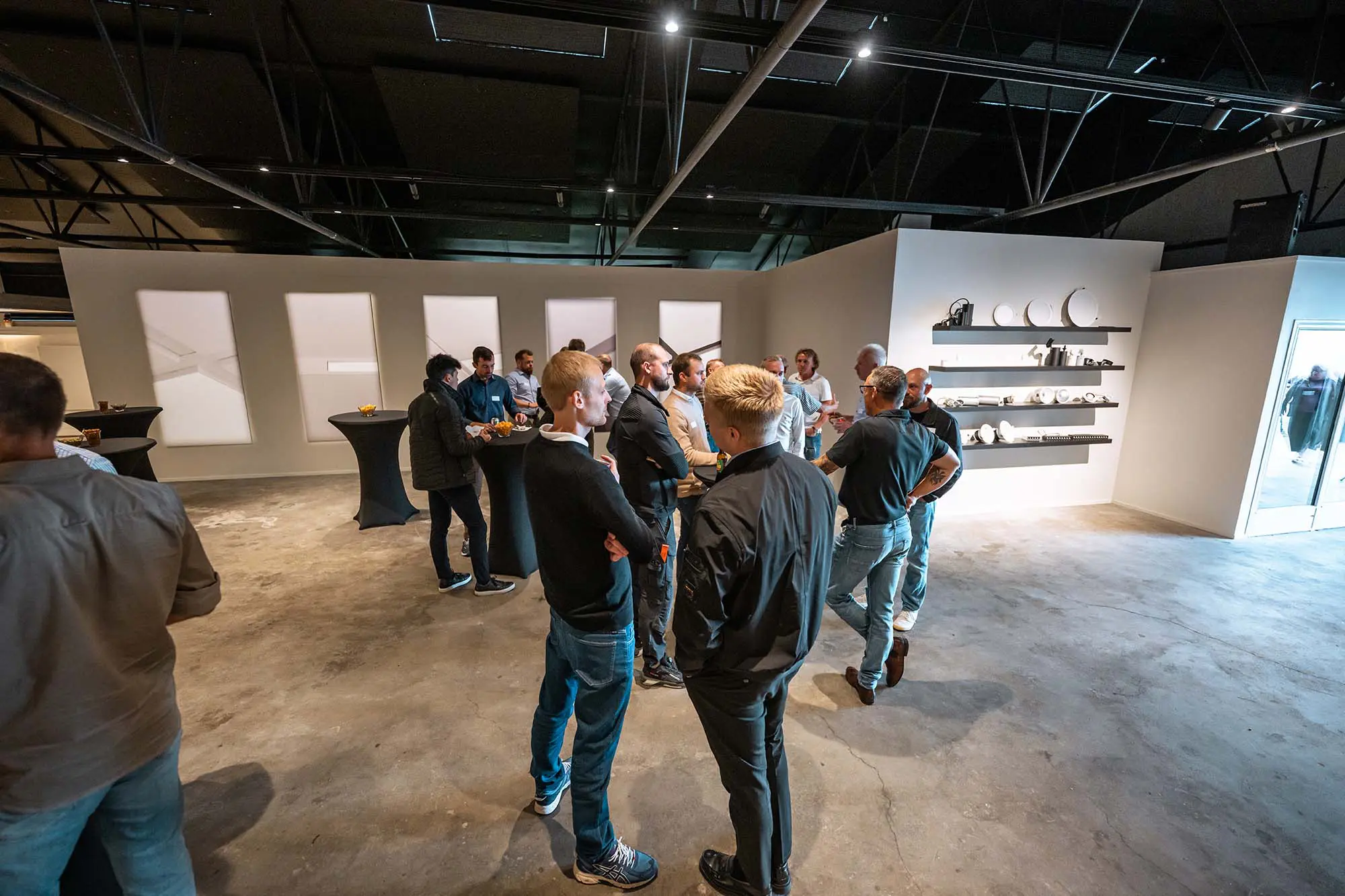
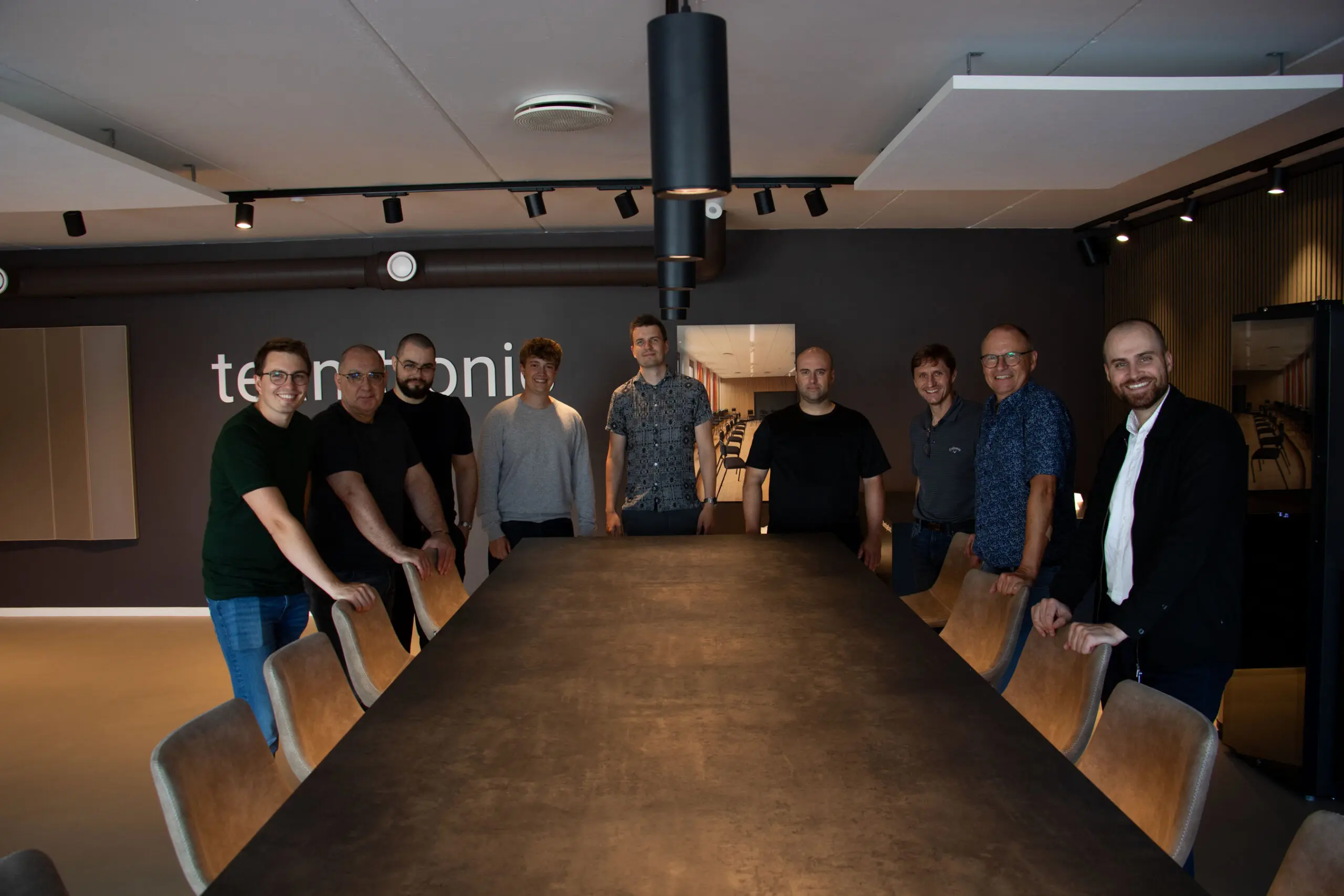
One Friday in September, Teamtronic opened its doors for a cosy networking afternoon. With a new showroom in Odense and upgraded facilities, the day...
Teamtronic - September 10, 2025
The difference between DALI and DALI-2 lies in a few key areas, primarily concerning the protocol's evolution and its implications for practical use.**DALI (Digital Addressable Lighting Interface)** is the original standard for digital lighting control. It allows for individual control of luminaires and groups of luminaires from a central control system.**DALI-2** is an updated and improved version of the DALI protocol. It builds upon the original DALI standard with several enhancements.Here are the main differences:*   **Certification and Interoperability:**    *   **DALI:** Devices were often advertised as "DALI-compatible." However, there wasn't a strict certification program, which could sometimes lead to interoperability issues between products from different manufacturers.    *   **DALI-2:** This version mandates a rigorous certification process managed by the DALI Alliance. This ensures that all DALI-2 certified devices from different manufacturers will work together seamlessly. This is a significant improvement for system integrators and end-users.*   **Functionality:**    *   **DALI:** Primarily focused on controlling light output (dimming) and on/off switching.    *   **DALI-2:** Extends the capabilities to include more advanced functionalities and device types. This includes:        *   **Sensors:** DALI-2 officially incorporates the control of various sensors, such as occupancy sensors and daylight sensors, directly within the DALI network. These sensors can feed information back to the DALI system for more intelligent control.        *   **Emergency Lighting:** Specific protocols for DALI-2 emergency lighting systems are defined, allowing for better monitoring and control.        *   **Tunable White and Colour Control:** While some DALI devices offered this, DALI-2 provides a more structured and standardised approach to controlling tunable white (colour temperature) and RGB colour.        *   **More Complex Commands:** DALI-2 offers a richer set of commands for more sophisticated control scenarios.*   **Protocol Enhancements:**    *   **DALI:** The original protocol had some ambiguities and limitations.    *   **DALI-2:** The specification has been refined and clarified, addressing these issues and providing a more robust and flexible protocol. This includes aspects like device querying and data reporting.*   **"Arc" Commands:**    *   **DALI:** Had a set of commands denoted as "arc" commands.    *   **DALI-2:** Standardises all commands under the DALI-2 umbrella, eliminating the need for separate "arc" considerations.**What does this mean in practice?***   **For System Integrators/Installers:**    *   **Guaranteed Interoperability:** The biggest practical benefit of DALI-2 is the certainty that devices from different manufacturers will work together as expected. This reduces troubleshooting time and complexity during installation.    *   **Wider Range of Devices:** The expanded functionality means integrators can use a single DALI-2 system to control not just lights but also integrate sensors for automatic dimming or shut-off, leading to more energy-efficient and feature-rich lighting solutions.    *   **Easier System Design:** The standardised nature of DALI-2 simplifies the planning and design phase, as the behaviour of devices is more predictable.*   **For End-Users/Building Owners:**    *   **Reliability and Performance:** The certification ensures a higher level of reliability and consistent performance for the lighting system.    *   **Future-Proofing:** DALI-2 systems are more likely to be compatible with future technologies and devices, offering better long-term investment protection.    *   **Enhanced User Experience:** With the integration of sensors and more sophisticated control options, users can benefit from lighting that automatically adjusts to occupancy and natural light levels, improving comfort and saving energy.    *   **Simplified Maintenance:** The improved interoperability and standardised diagnostics can make maintenance and troubleshooting more straightforward.In summary, DALI-2 represents a significant evolution of the DALI protocol, focusing on enhanced interoperability through certification, expanded functionality, and a more robust and refined specification. This translates into more reliable, flexible, and feature-rich lighting control systems for both installers and end-users.

The difference between DALI and DALI-2 lies in a few key areas, primarily concerning the protocol's evolution and its implications for practical use. **DALI (Digital Addressable Lighting Interface)** is the original standard for digital lighting control. It allows for individual control of luminaires and groups of luminaires from a central control system. **DALI-2** is an updated and improved version of the DALI protocol. It builds upon the original DALI standard with several enhancements. Here are the main differences: * **Certification and Interoperability:** * **DALI:** Devices were often advertised as "DALI-compatible." However, there wasn't a strict certification program, which could sometimes lead to interoperability issues between products from different manufacturers. * **DALI-2:** This version mandates a rigorous certification process managed by the DALI Alliance. This ensures that all DALI-2 certified devices from different manufacturers will work together seamlessly. This is a significant improvement for system integrators and end-users. * **Functionality:** * **DALI:** Primarily focused on controlling light output (dimming) and on/off switching. * **DALI-2:** Extends the capabilities to include more advanced functionalities and device types. This includes: * **Sensors:** DALI-2 officially incorporates the control of various sensors, such as occupancy sensors and daylight sensors, directly within the DALI network. These sensors can feed information back to the DALI system for more intelligent control. * **Emergency Lighting:** Specific protocols for DALI-2 emergency lighting systems are defined, allowing for better monitoring and control. * **Tunable White and Colour Control:** While some DALI devices offered this, DALI-2 provides a more structured and standardised approach to controlling tunable white (colour temperature) and RGB colour. * **More Complex Commands:** DALI-2 offers a richer set of commands for more sophisticated control scenarios. * **Protocol Enhancements:** * **DALI:** The original protocol had some ambiguities and limitations. * **DALI-2:** The specification has been refined and clarified, addressing these issues and providing a more robust and flexible protocol. This includes aspects like device querying and data reporting. * **"Arc" Commands:** * **DALI:** Had a set of commands denoted as "arc" commands. * **DALI-2:** Standardises all commands under the DALI-2 umbrella, eliminating the need for separate "arc" considerations. **What does this mean in practice?** * **For System Integrators/Installers:** * **Guaranteed Interoperability:** The biggest practical benefit of DALI-2 is the certainty that devices from different manufacturers will work together as expected. This reduces troubleshooting time and complexity during installation. * **Wider Range of Devices:** The expanded functionality means integrators can use a single DALI-2 system to control not just lights but also integrate sensors for automatic dimming or shut-off, leading to more energy-efficient and feature-rich lighting solutions. * **Easier System Design:** The standardised nature of DALI-2 simplifies the planning and design phase, as the behaviour of devices is more predictable. * **For End-Users/Building Owners:** * **Reliability and Performance:** The certification ensures a higher level of reliability and consistent performance for the lighting system. * **Future-Proofing:** DALI-2 systems are more likely to be compatible with future technologies and devices, offering better long-term investment protection. * **Enhanced User Experience:** With the integration of sensors and more sophisticated control options, users can benefit from lighting that automatically adjusts to occupancy and natural light levels, improving comfort and saving energy. * **Simplified Maintenance:** The improved interoperability and standardised diagnostics can make maintenance and troubleshooting more straightforward. In summary, DALI-2 represents a significant evolution of the DALI protocol, focusing on enhanced interoperability through certification, expanded functionality, and a more robust and refined specification. This translates into more reliable, flexible, and feature-rich lighting control systems for both installers and end-users.

What is the difference between DALI and DALI-2? If you work with professional lighting control, you've no doubt come across the terms DALI and DALI-2. But what exactly are...

Teamtronic - August 25, 2025
Teamtronic strengthens its position with strategic co-ownership in Slovakian OMS

Teamtronic strengthens its position with strategic co-ownership in Slovakian OMS

Teamtronic strengthens its European position with strategic co-ownership in Slovakian OMS The investment marks an important step in the company's 2028 strategy...
Teamtronic - July 18, 2025
Circadian lighting and amber create a better rehabilitation environment

Circadian lighting and amber create a better rehabilitation environment

Circadian lighting and amber create a better rehabilitation environment at Hammel Neurocenter Regional Hospital The picture shows how the lighting changes at the Regional Hospital…
Teamtronic - June 23, 2025
Teamtronic reintroduces Ellen Hjøllund Klinge

Teamtronic reintroduces Ellen Hjøllund Klinge

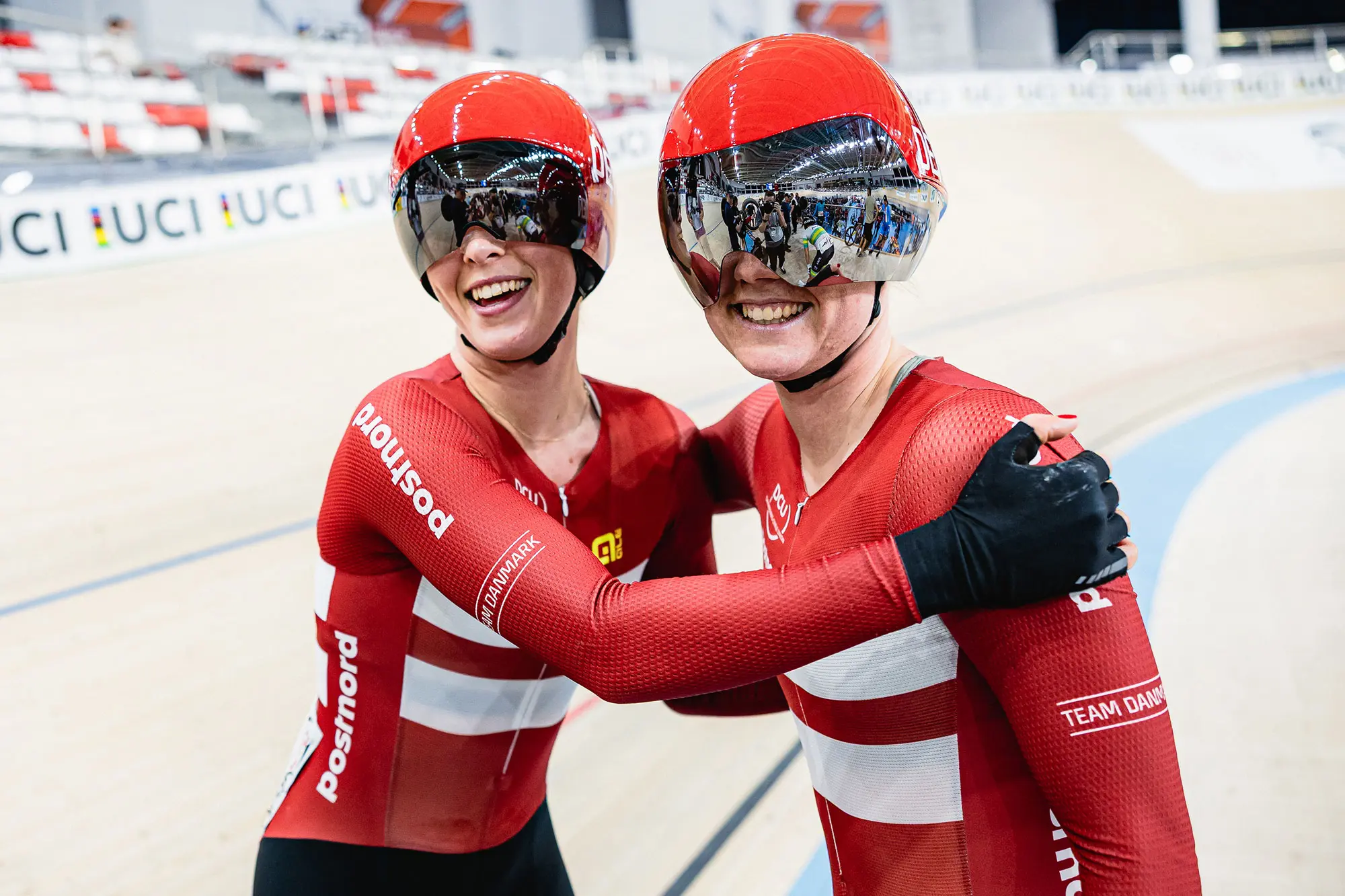
Teamtronic reintroduces Ellen Hjøllund Klinge Once again this year we are proud to sponsor Ellen Hjøllund Klinge Ellen Hjøllund Klinge, a passionate and...
Teamtronic - June 10, 2025
From waste to valuable partnership - Teamtronic enters circular partnership

From waste to valuable partnership - Teamtronic enters circular partnership

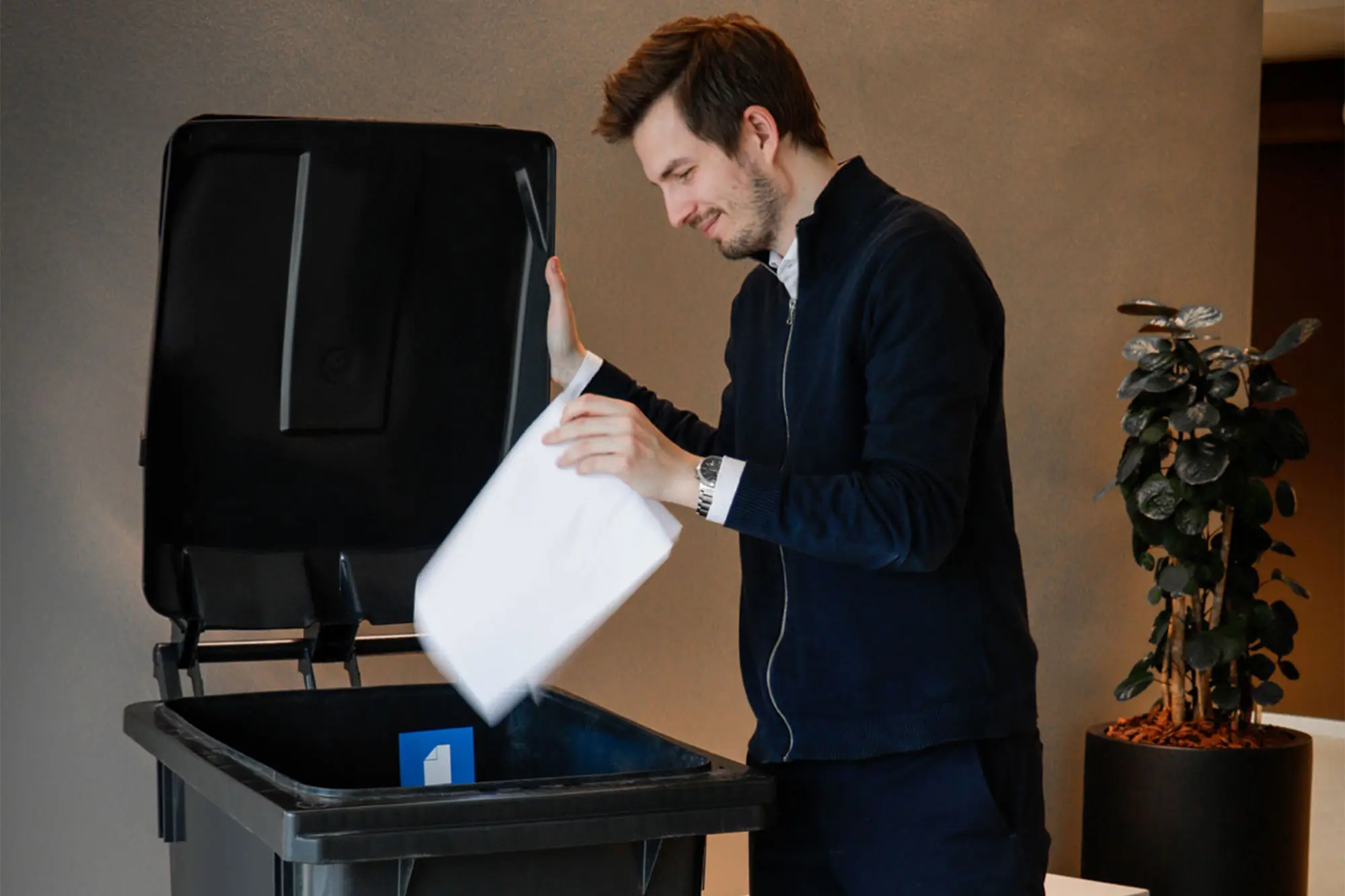
From waste to valuable partnership - Teamtronic enters circular partnership with Paper Mill In 2024, Teamtronic decided that sustainability...
Teamtronic - May 14, 2025
Teamtronic Climate Report 2024 - Small steps. Big ambitions

Teamtronic Climate Report 2024 - Small steps. Big ambitions

Teamtronic's first climate report marks the start of an important journey! Our climate is a key focus area in Teamtronic's strategy and an important point...
Teamtronic - April 23, 2025
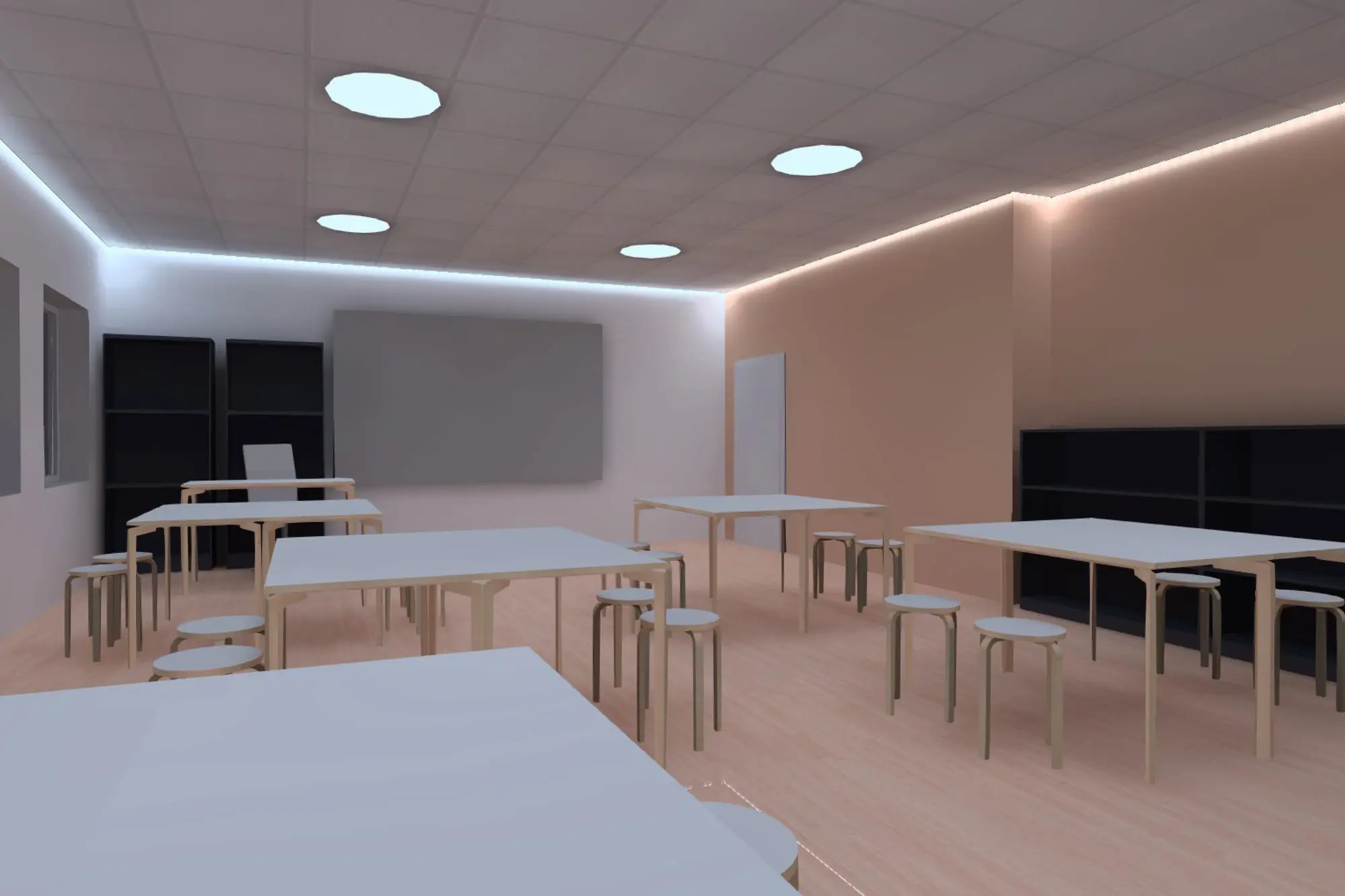
How does luminance affect our experience of a space and its function?

How does luminance affect our experience of a space and its function?

Luminance - in theory and practice How does luminance affect our experience of a space and its function? Illustration 1 - Good lighting in a classroom:...

Teamtronic - January 2, 2025
Teamtronic delivers first climate report for 2024

Teamtronic delivers first climate report for 2024

Teamtronic delivers first climate report! An important step towards a greener future has been taken. Teamtronic prepares their first climate report for 2024 with...
Teamtronic - December 3, 2024
A meaningful support for Knæk Cancer - We want to help create hope!

A meaningful support for Knæk Cancer - We want to help create hope!

A meaningful support for Knæk Cancer! At Teamtronic, we continue our meaningful support for Knæk Cancer! Knæk Cancer and the Danish Cancer Society's efforts...

Teamtronic - October 23, 2024
The magic of light: Health and wellness with circadian lighting!

The magic of light: Health and wellness with circadian lighting!

Visualisation of patient rooms at Mary Elizabeth Hospital with illustration of colour temperature and intensity - Photo: Capital Region of Denmark, Mary Elizabeth Hospital The...
Teamtronic - October 7, 2024
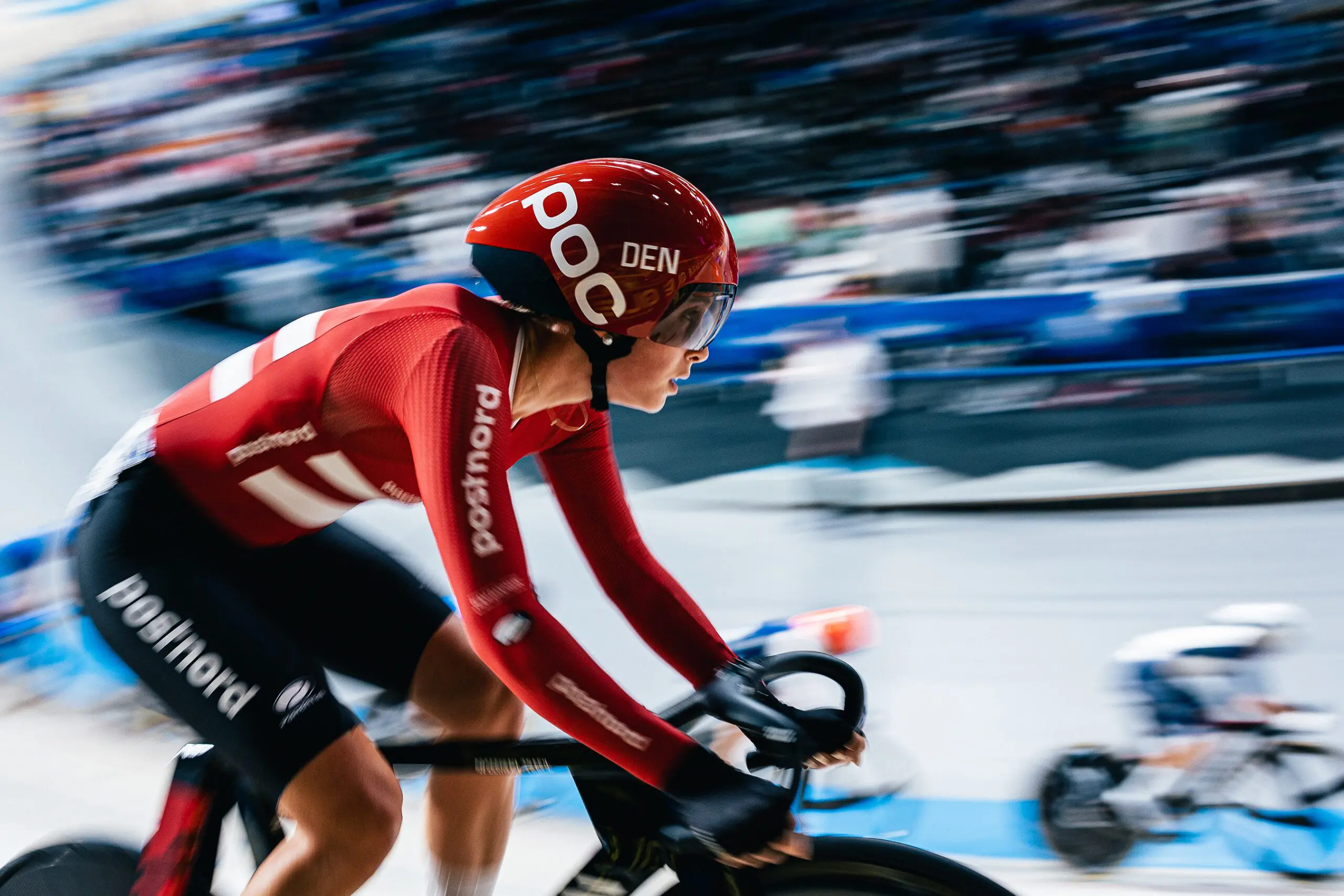
Teamtronic presents Ellen Hjøllund Klinge

Teamtronic presents Ellen Hjøllund Klinge

Teamtronic presents Ellen Hjøllund Klinge We are proud to sponsor Ellen Hjøllund Klinge, a passionate cyclist from Strib on Funen. Ellen rides...
Teamtronic - October 2, 2024
The sons' path into the family business Teamtronic

The sons' path into the family business Teamtronic

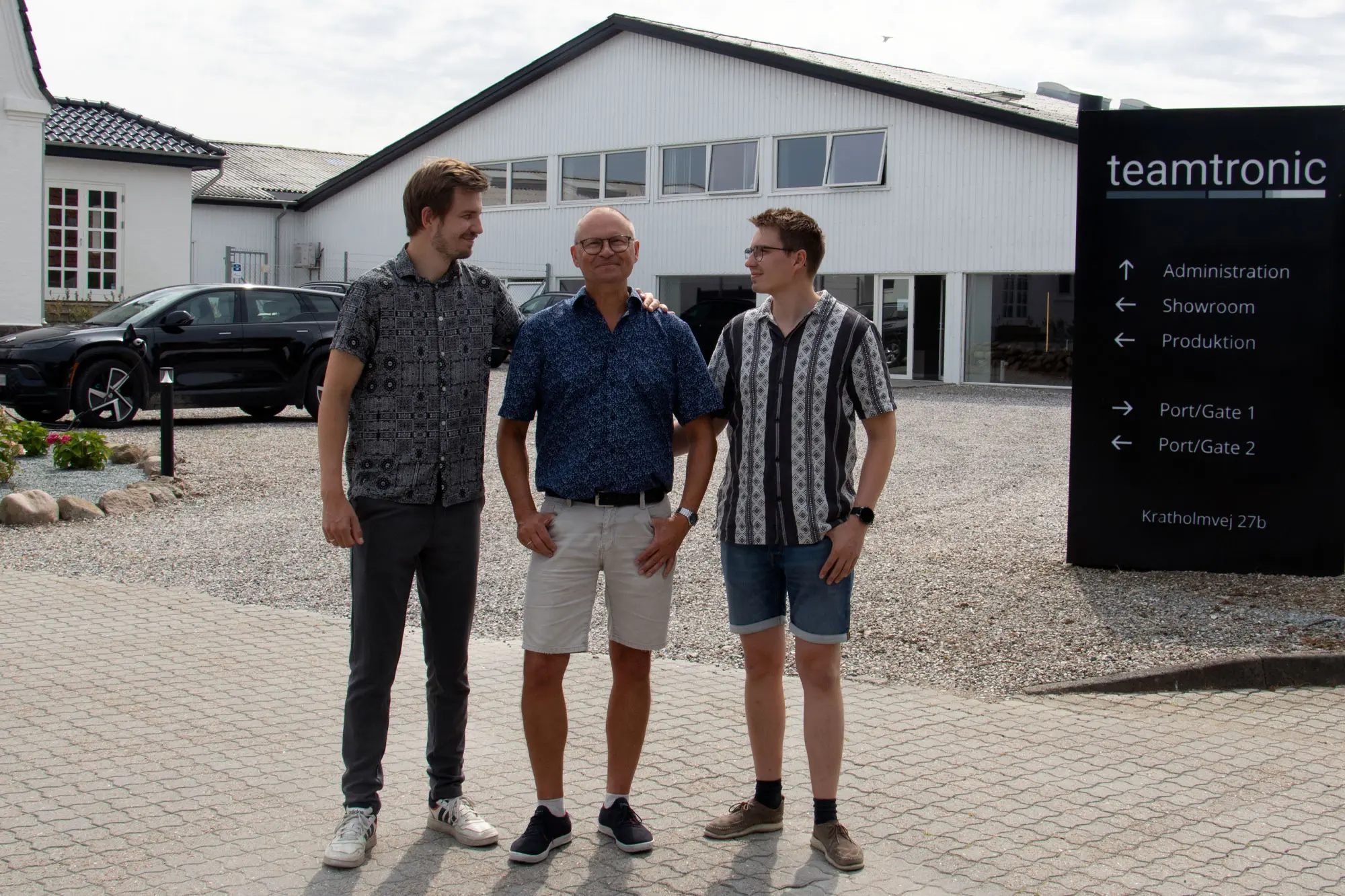
The sons' path into the family business Teamtronic Karsten Nellemose (left), Poul Nellemose (centre) and Klaus Rise (right) in front of Teamtronic's new head office with...
Teamtronic - September 4, 2024
Teamtronic agrees to another year at Odense Boldklub

Teamtronic agrees to another year at Odense Boldklub

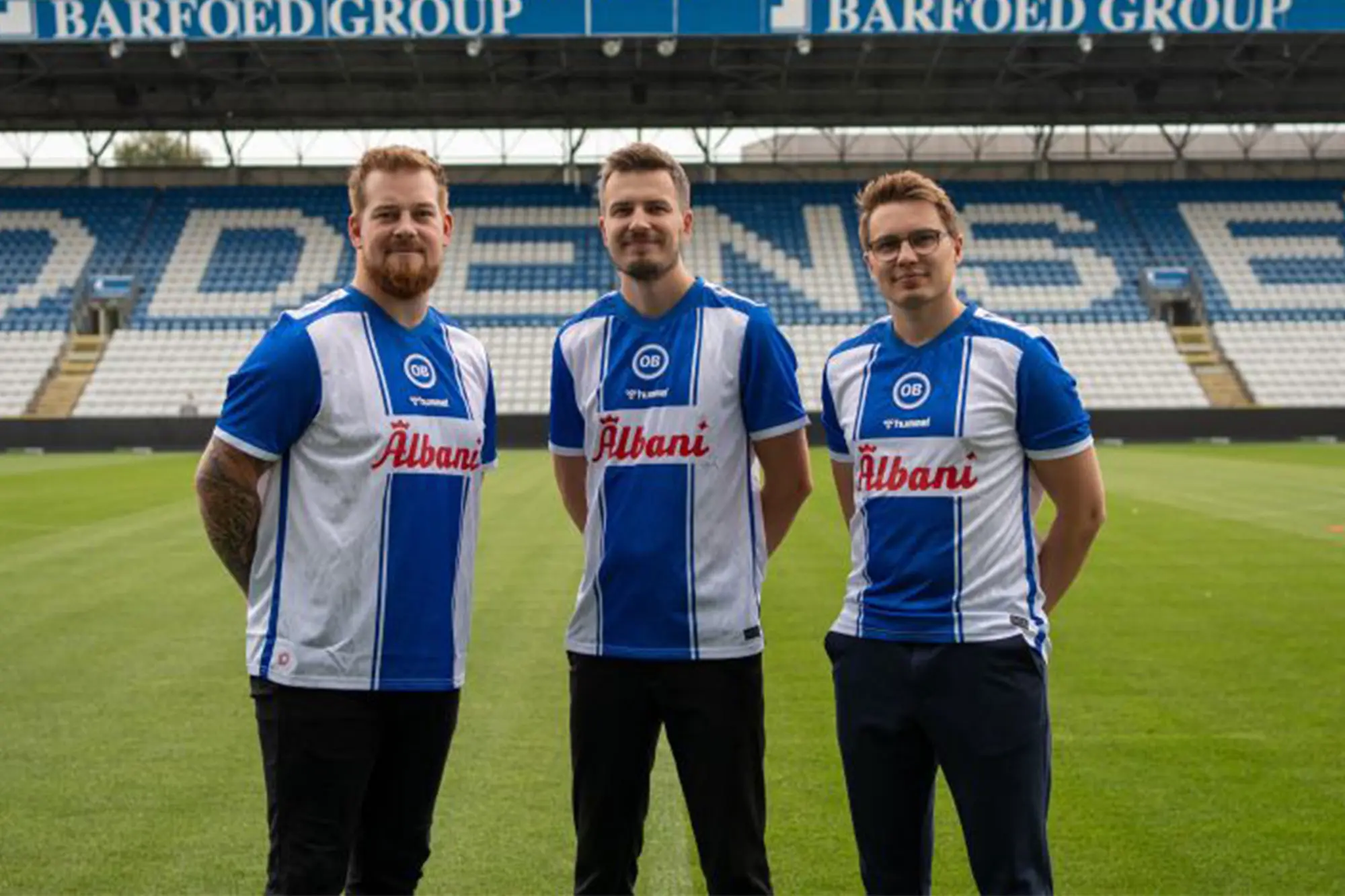
Proud Partner in Odense Boldklub A year ago, we at Teamtronic initiated a sponsorship with Odense Boldklub for the first time. We quickly realised how...
Teamtronic - August 26, 2024
Teamtronic delivers lighting for New Hospital North Zealand

Teamtronic delivers lighting for New Hospital North Zealand

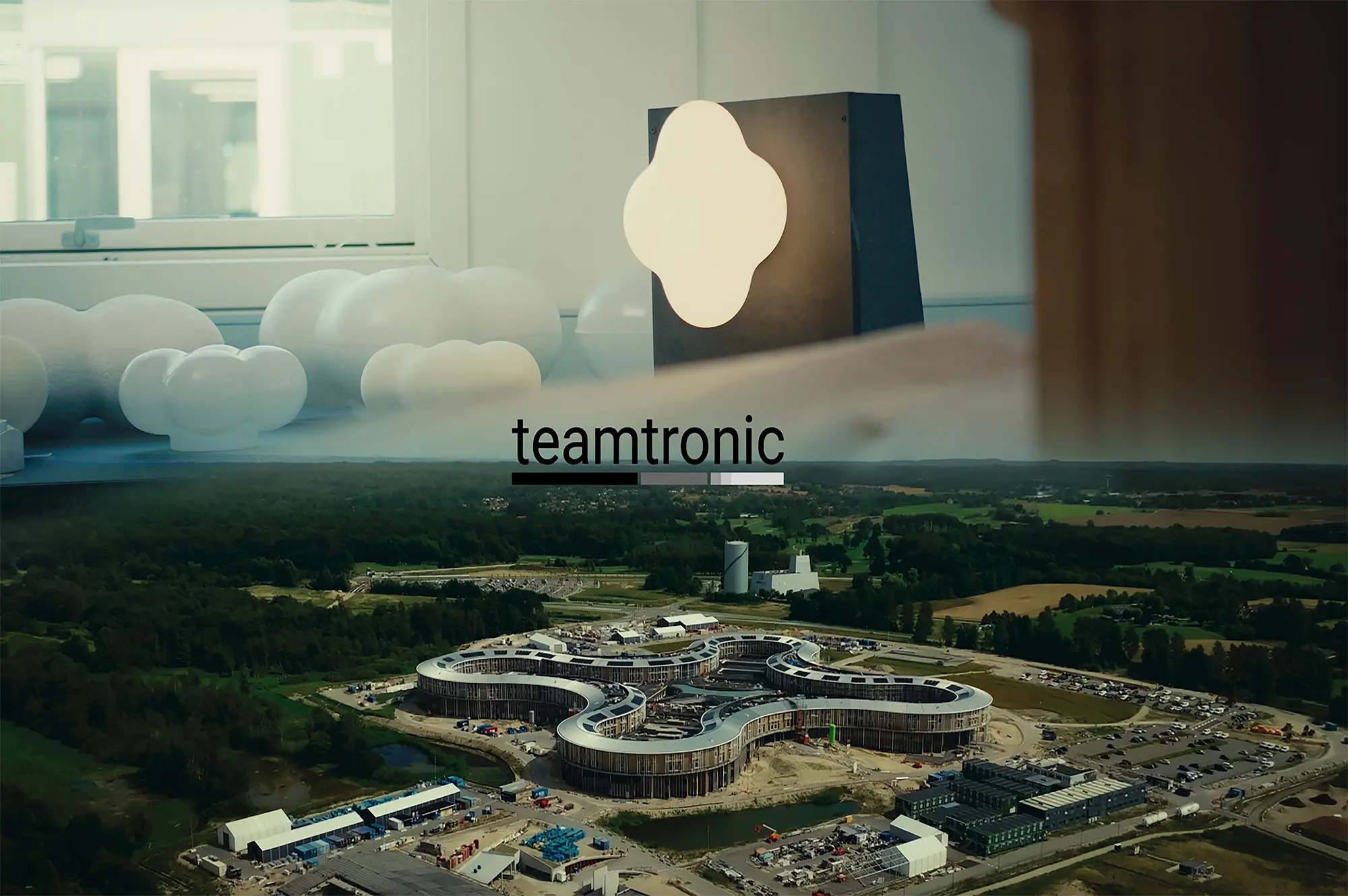
Teamtronic secures advanced lighting technology at New Hospital North Zealand Teamtronic will provide the lighting solution for the prestigious...
Teamtronic - August 25, 2024
Shift change at Teamtronic: New times, new leaders!

Shift change at Teamtronic: New times, new leaders!

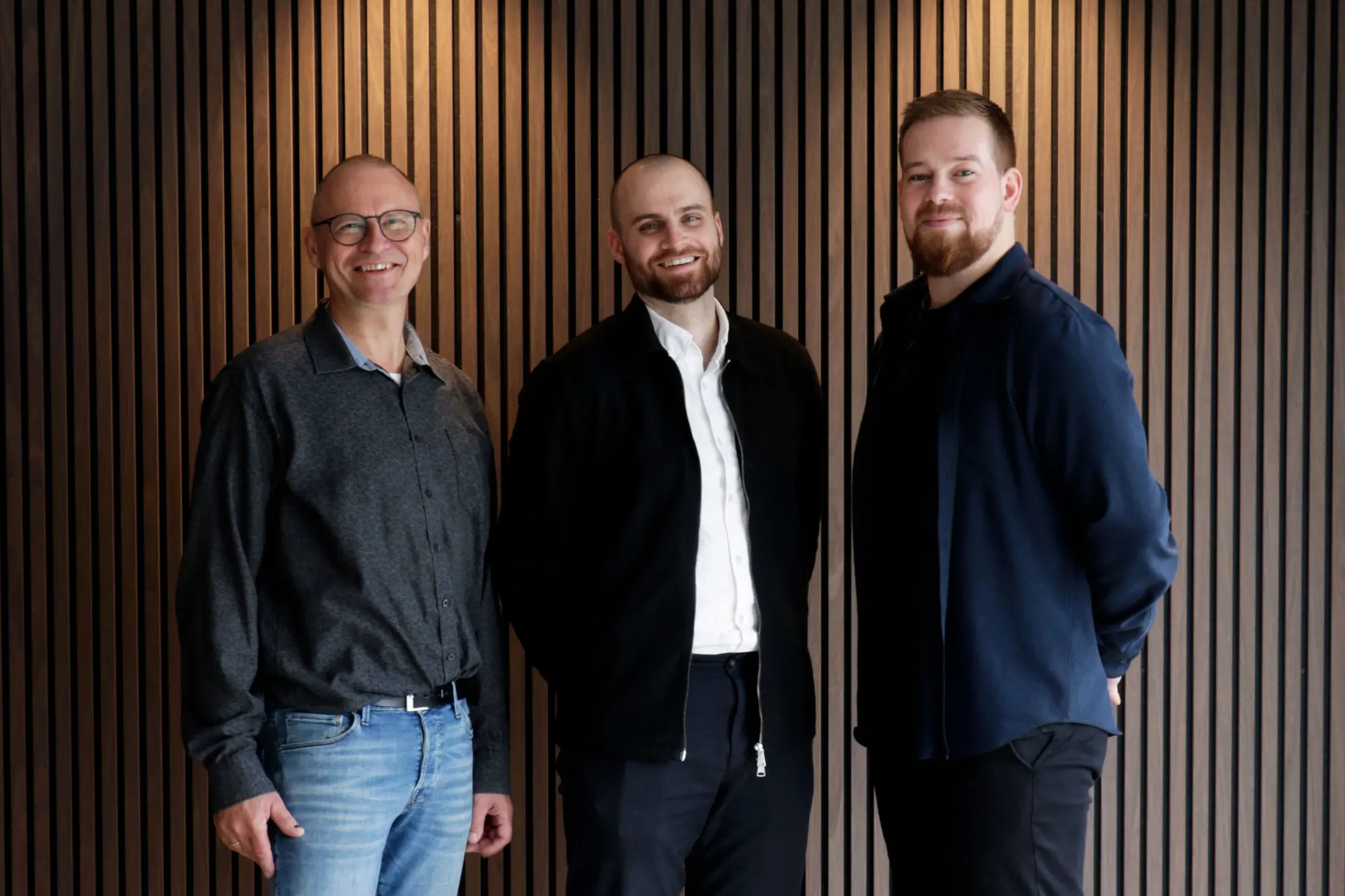
Photo: Poul Nellemose (TV), Mathias Joachim Larsen (M) and Mikkel Møller (TH) Changing of the guard at Teamtronic: New times, new leaders! After 14 years as CEO,...

Teamtronic - May 17, 2024
Networking event at Teamtronic - NetOB

Networking event at Teamtronic - NetOB

Video: NetOB networking day, 7 May 2024 at Teamtronic A/S - by Teamtronic Networking event - NetOB The 7th of May was bursting with energy and exciting networking opportunities,...

Teamtronic - May 8, 2024
Mary Elizabeths Hospital - Collaboration, quality assurance and technical innovation

Mary Elizabeths Hospital - Collaboration, quality assurance and technical innovation

Mary Elizabeth Hospital: Collaboration, quality assurance and technical innovation in the light of construction Mary Elizabeth Hospital - part of Rigshospitalet -...

Teamtronic - April 24, 2024
We're moving!

We're moving!

We're moving! Go behind the scenes of the hectic move! At Teamtronic, we have officially outgrown our location at Agerhatten in Odense! Our current...

Teamtronic - March 14, 2024
Loading