



What is the difference between DALI and DALI-2?
If you work with professional lighting control, you've no doubt come across the terms DALI and DALI-2. But what's the difference and which should you choose for your next project?
In this post, we'll go through the differences - both technical and practical - so you can make the right choice, whether you're facing a new installation or upgrade.
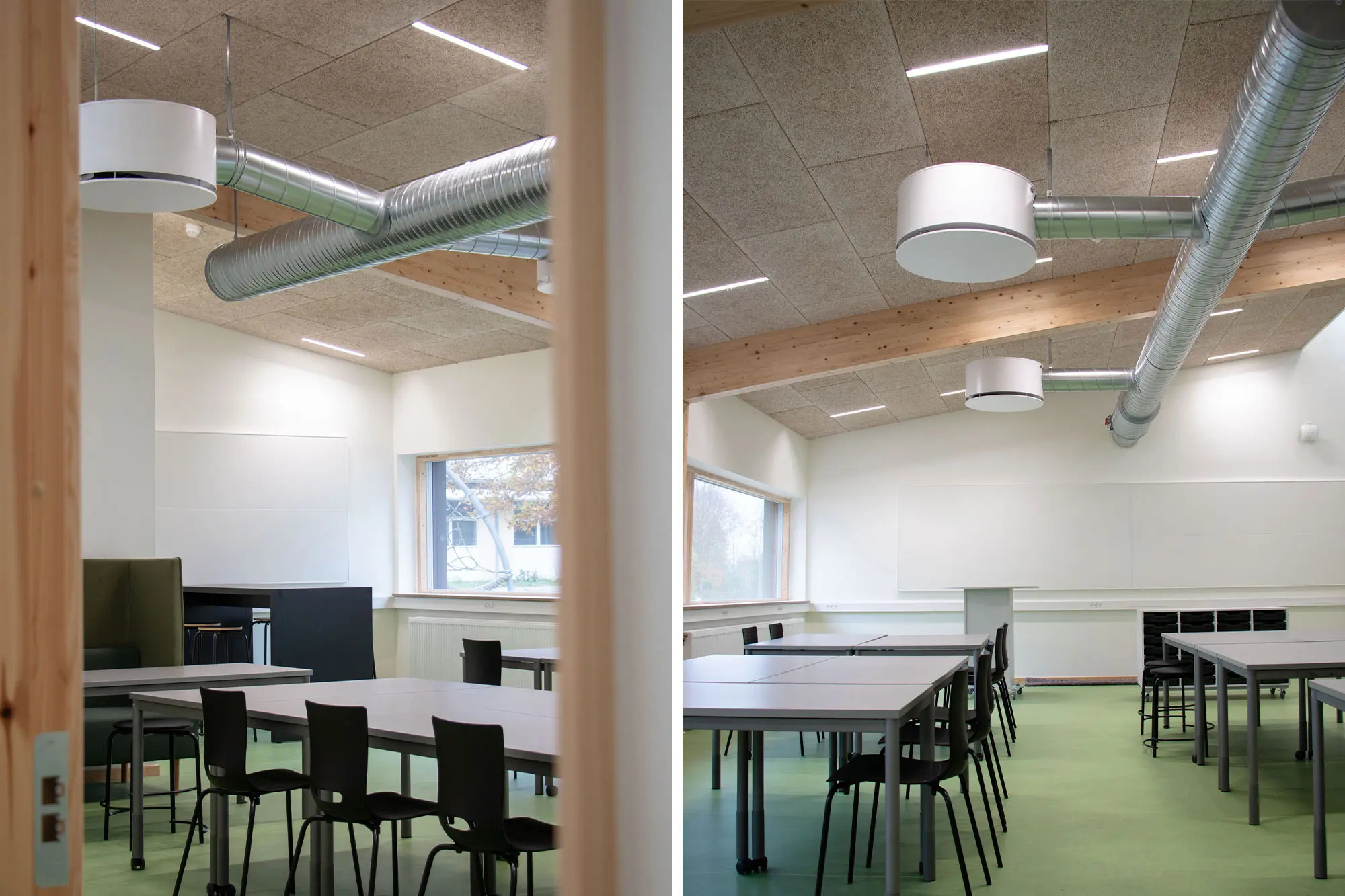
Reference: Broskolen in Aarslev (left) and Kompan's office building (right)
In a nutshell: What is DALI and DALI-2?
DALI stands for Digital Addressable Lighting Interface and is a standardised protocol for digital lighting control. The protocol was originally developed in the early 2000s and has since been the preferred solution in many lighting projects.
DALI-2 is the updated version that was introduced in 2014 and subsequently further developed. It aims to address the weaknesses experienced with the original DALI standard - for example, by ensuring better compatibility and supporting more functions.
5 key differences between DALI and DALI-2
Input devices (sensors and pressure)
DALI: Only supports control of luminaires.
DALI-2: Also supports input devices such as motion sensors, push buttons and light meters directly on the bus.
This means that with DALI-2 you can set up intelligent scenarios and automatic lighting control without the need for external systems.
Interoperability and certification
DALI: No forced certification - manufacturers could interpret the standard differently.
DALI-2: Mandatory third-party testing and certification via DiiA (Digital Illumination Interface Alliance).
This makes DALI-2 much more reliable and future-proof as different components work better together.
Diagnostics and monitoring
DALI: Limited troubleshooting and monitoring capabilities.
DALI-2: Supports energy consumption measurement, error messages and status information from luminaires.
This makes it easier to keep an eye on operations and energy consumption - especially in larger buildings like office buildings or educational institutions. (link to new landing pages when they go live)
Features and flexibility
DALI-2 supports advanced features like dynamic scenes, flexible group management and more complex programming.
This makes it possible to tailor the lighting exactly to the needs of the building.
DALI-2 is selected exclusively today
When:
- You are installing in a new building or completely renovating
- You want flexibility and integration with sensors and pressure
- You need energy monitoring or automatic lighting control
- You want to ensure your system is future-proofed and certified
At Teamtronic, we recommend DALI-2 in all new installations - it provides better functionality, higher reliability and fewer problems in the long run.
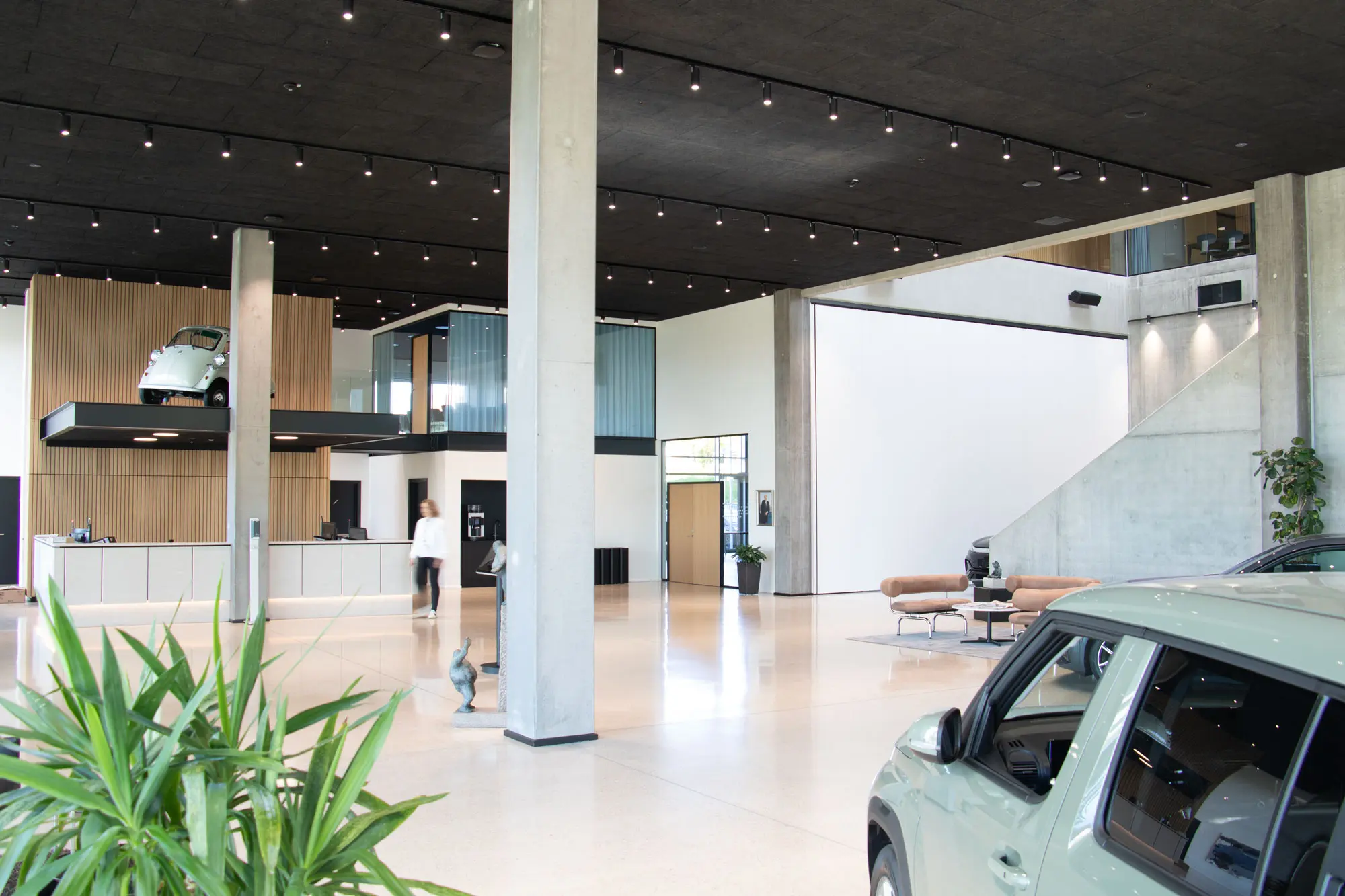
Reference: Nic. Christiansen Group in Kolding
Is DALI-2 backwards compatible?
Yes - in most cases. DALI-2 components can typically work in existing DALI installations, but the reverse is not always true. Therefore, it's important to plan the installation with compatibility in mind - and preferably get advice from a technical sparring partner. Dali and Dali-2 drivers can have different attenuation curves even if they are both set to logarithmic, for example. Likewise, there may be a difference between 1-100% attenuation for Dali and 0.1-100% attenuation for Dali-2
Want to know more about DALI and DALI-2?
Want to dive deeper into how DALI works and what benefits it offers? Then read our complete guide: The ultimate guide to DALI lighting control
Do you have questions about DALI-2 or need help choosing the right solution? We are happy to help with advice, delivery and installation.