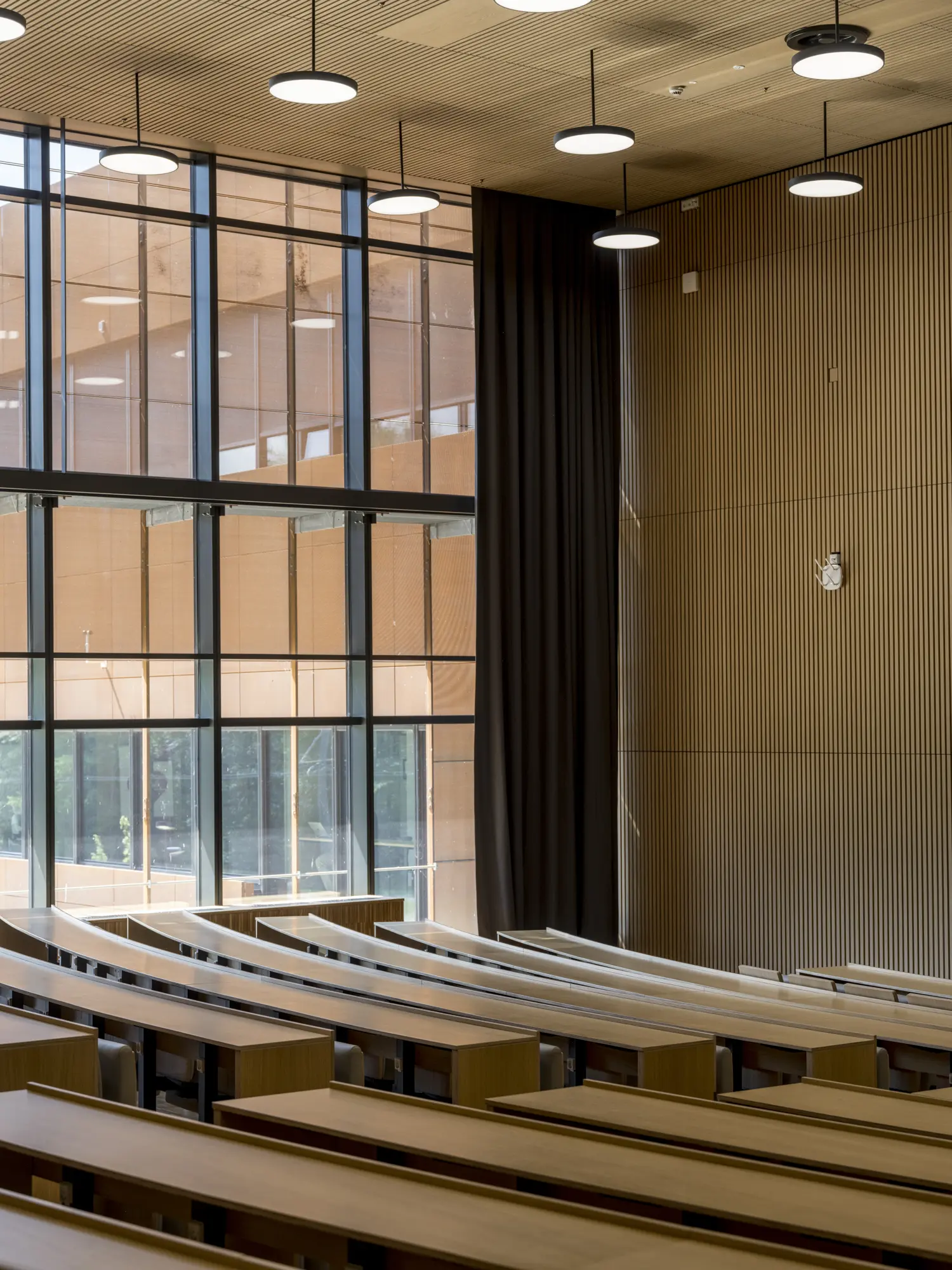



Light in common areas - a contribution to student well-being
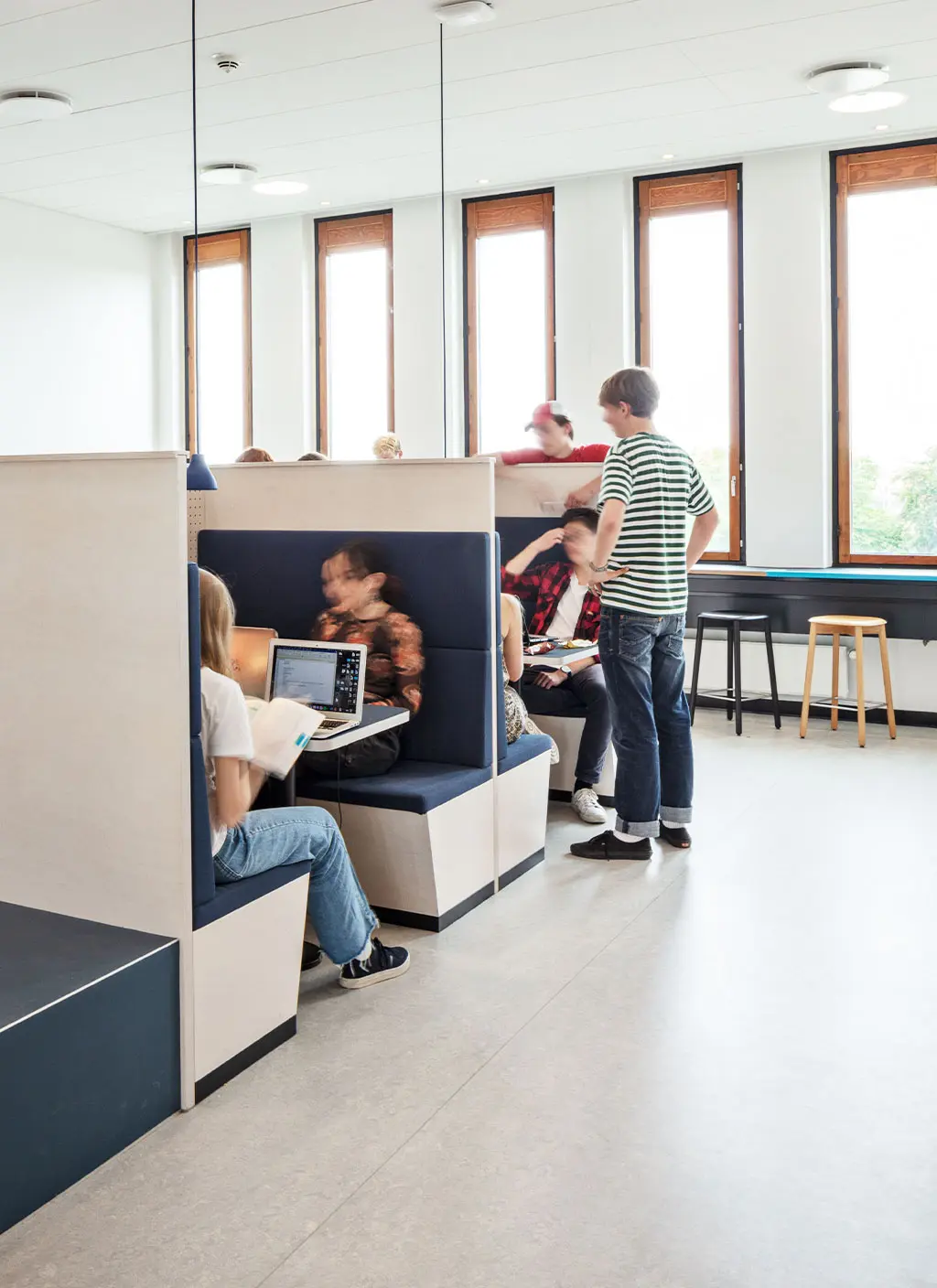
Common areas in schools and educational institutions play a key role in the well-being, community and social development of pupils and students. They provide a much-needed respite from the demands and structure of teaching, where they can socialise, collaborate and recharge - both mentally and physically. From informal conversations and group work to immersion or just a quiet moment alone, these areas provide the setting for everything from informal conversations and group work.
Proper lighting in common areas is essential for creating an atmosphere that is both inviting and functional. The right lighting solution supports different activities by creating zones for relaxation and contemplation, but also for energy and dialogue. Lighting helps make common areas a natural gathering place where students thrive, are inspired and feel comfortable in their everyday lives.
When natural and artificial light go hand in hand
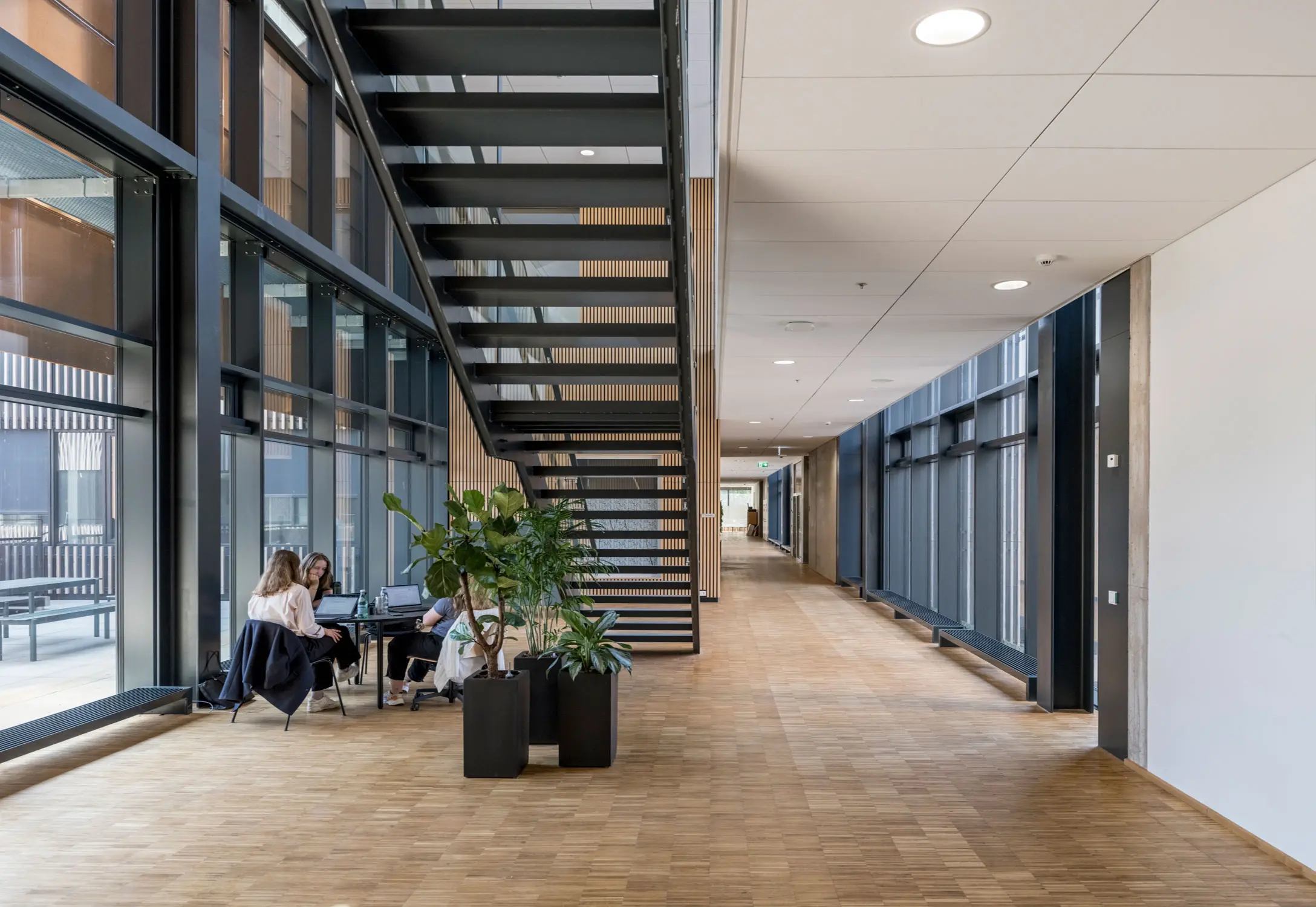
Public spaces can be made more attractive and functional by ensuring a good balance between natural and artificial light. Natural light helps create a pleasant atmosphere that promotes wellbeing and reduces stress, while artificial lighting can complement and adapt as needed, especially during darker periods of the year.
Adjustable and energy-efficient lighting solutions provide the flexibility to customise the light to different activities in common areas. This can range from relaxed socialising and social interactions to more focused tasks such as group work or small presentations. With the right lighting, common areas can support both the social and academic development of students, making them essential spaces in schools and educational institutions.
We recommend
Common areas place special demands on lighting to create spaces that can accommodate socialising, contemplation and flexible use. A good lighting solution combines comfortable ambient lighting with the ability to customise the light according to layout and activity.
From the visualisations below, it is clear to see how the design and expression of the luminaires - as well as the choice of e.g. colour temperature - have a major impact on the experience of the same space. Both lighting scenarios are solutions that fulfil the requirements for lighting in common areas.
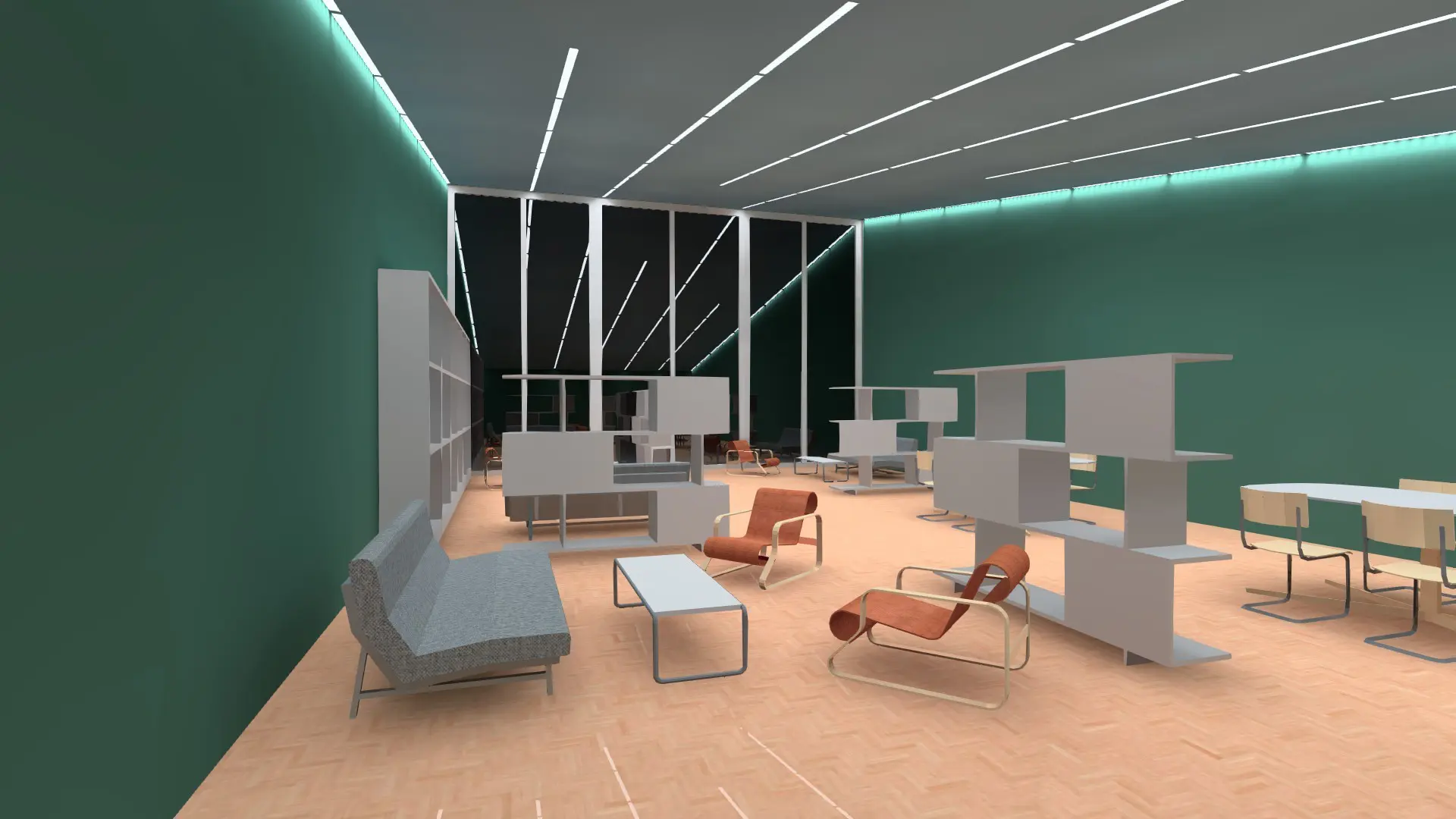
Dialux visualisation - Line profile, 3000 Kelvin: The linear luminaire shape creates a calm and coherent light pattern across the room, supporting the architecture of the room and providing a harmonious lighting surface. With its warm colour temperature of 3000 Kelvin, the solution contributes to a welcoming and relaxed atmosphere - ideal for breaks, sitting and informal chatting.
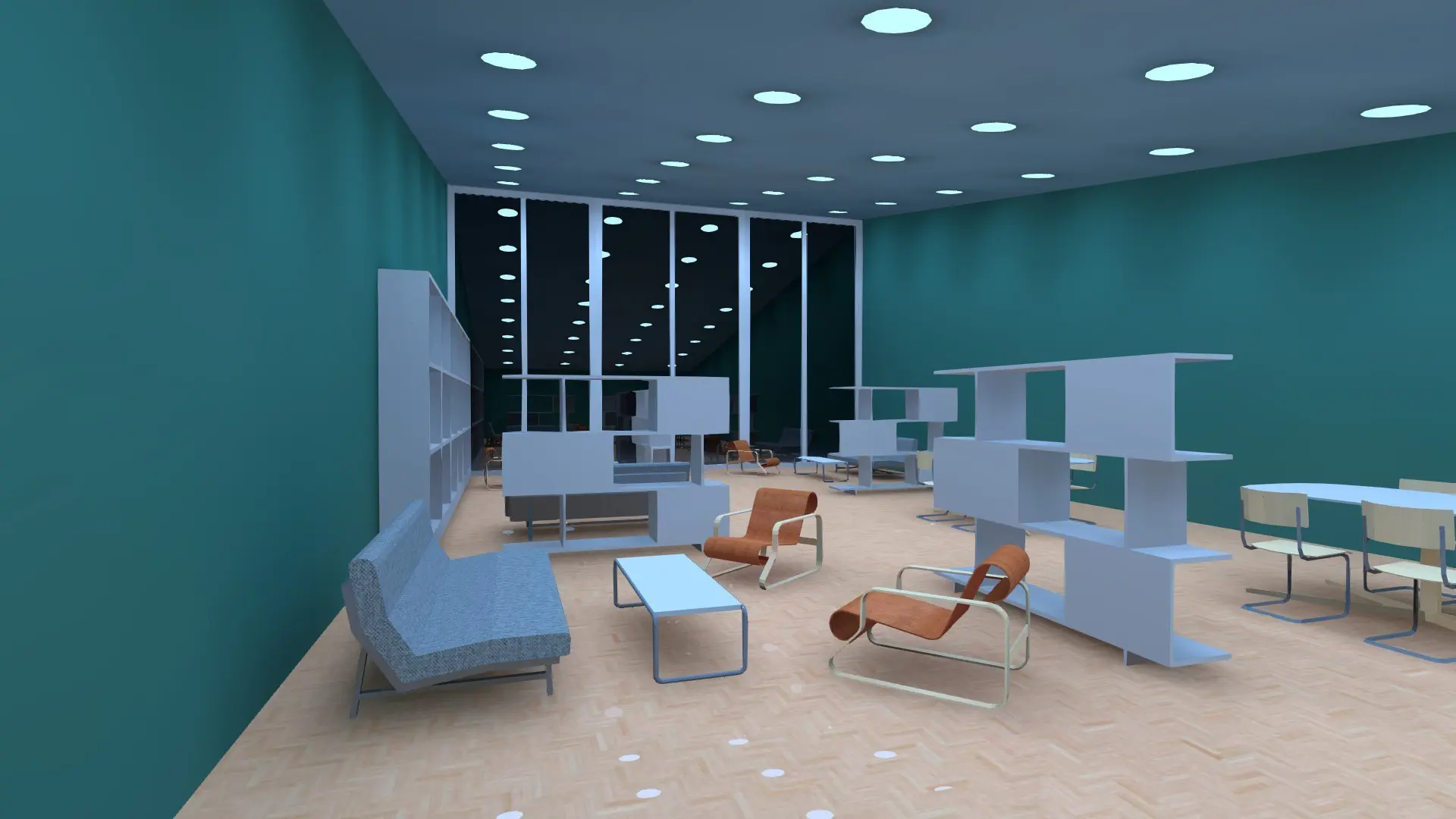
Dialux visualisation - recessed downlight Ø500, 4000 Kelvin: The large, circular downlights add visual rhythm to the room and mark clear zones of focused light. The cooler colour temperature of 4000 Kelvin provides a brighter and more active lighting environment, suitable for concentration-intensive activities such as group work and small presentations
Choose the right lighting solution for schools and education
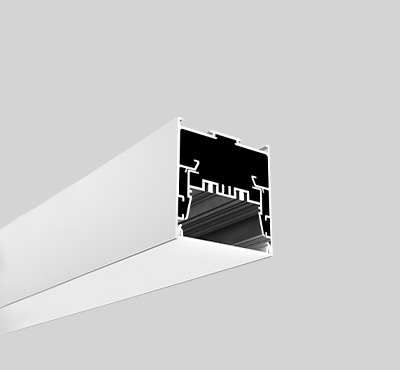
In-line
Line profile
Z-line On
Line profile
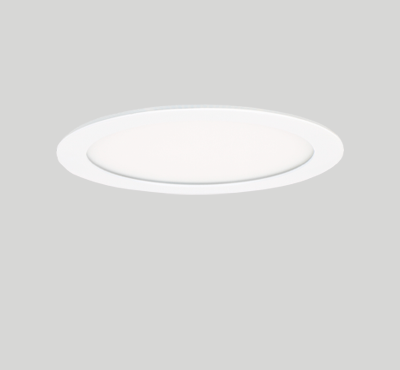
T-Hee
Downliagt
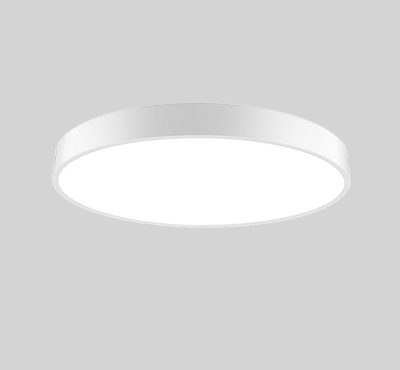
T-Rover Float
Surface mounted
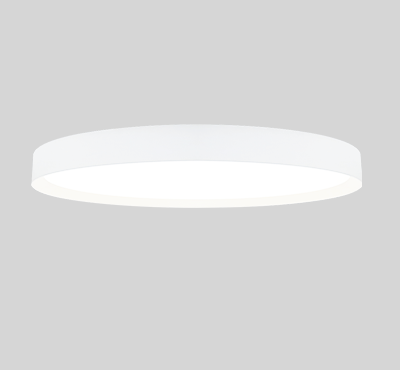
T-Rover Bright
Surface mounted
Real-life inspiration
For us, lighting for schools and education is about more than just light. It's a carefully balanced combination of functionality, comfort and aesthetics - created with both the learning environment and architecture in mind.
We have delivered lighting solutions to a wide range of Danish schools and educational institutions - from efficient basic lighting in classrooms
for customised solutions in auditoriums, common areas and lecture halls.
Below you can see a selection of our references that show the breadth of our solutions and approach.
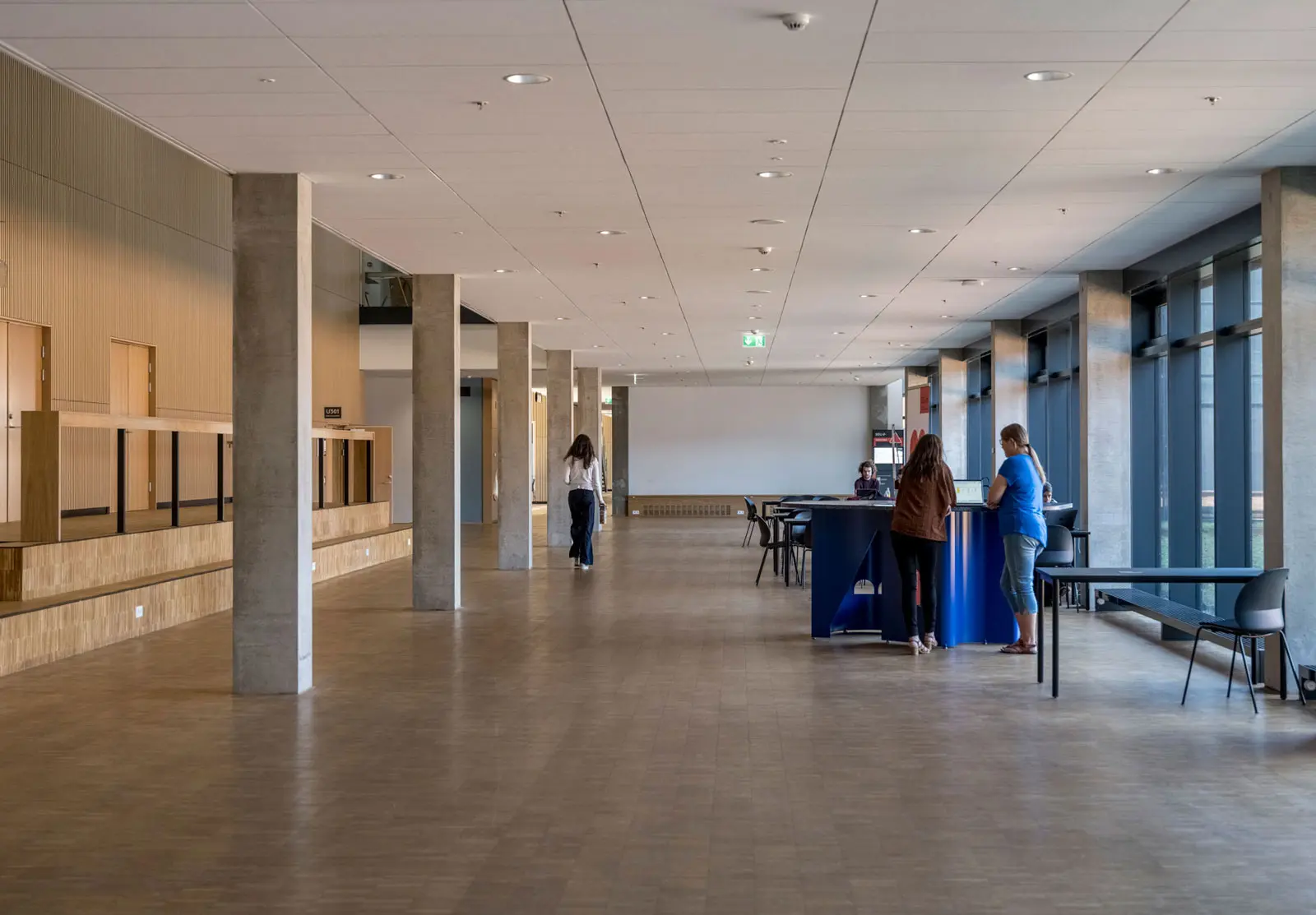
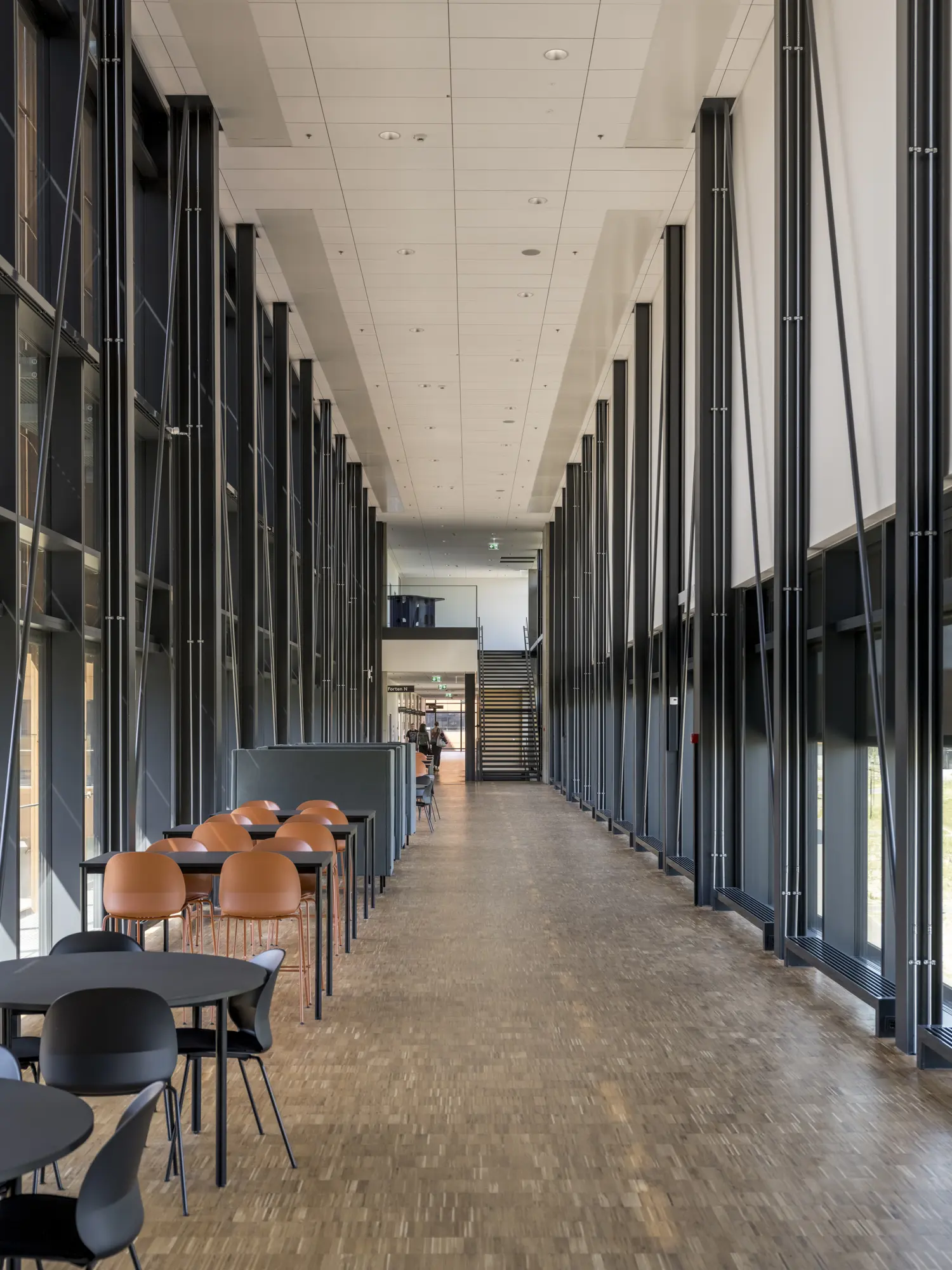
Reference project: New Sound - University of Southern Denmark
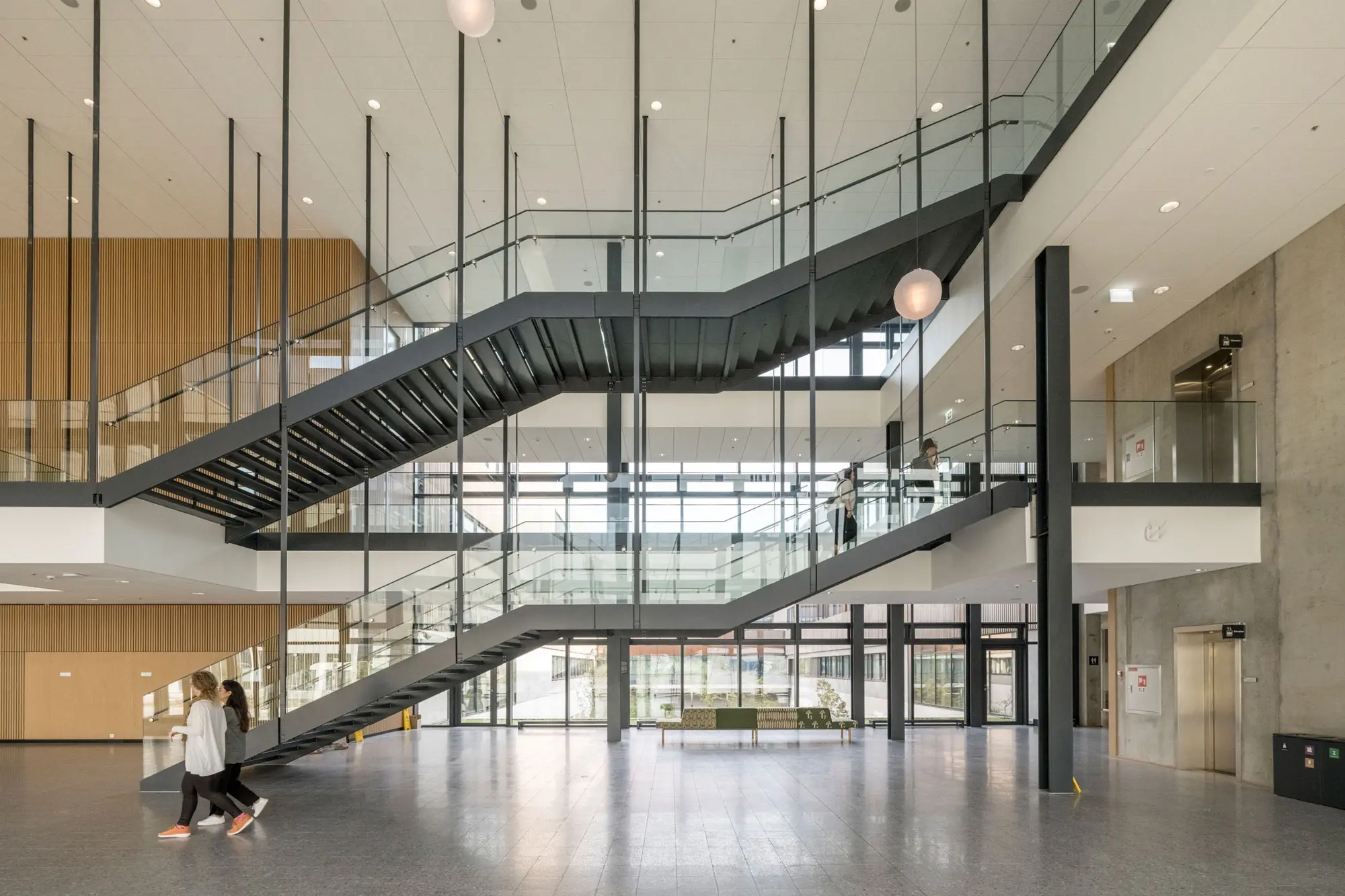
New Sound - University of Southern Denmark
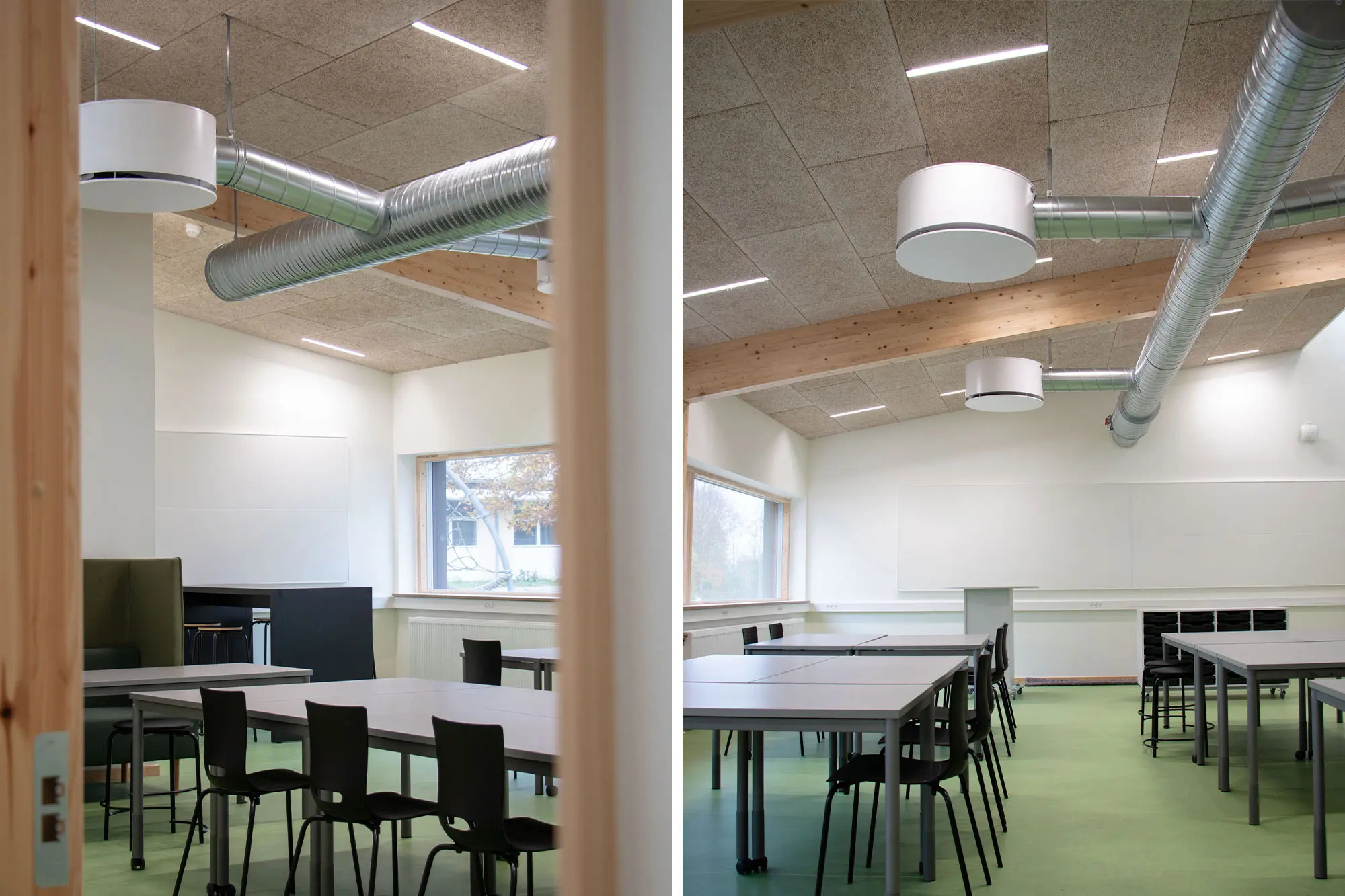
Broskolen - Årslev
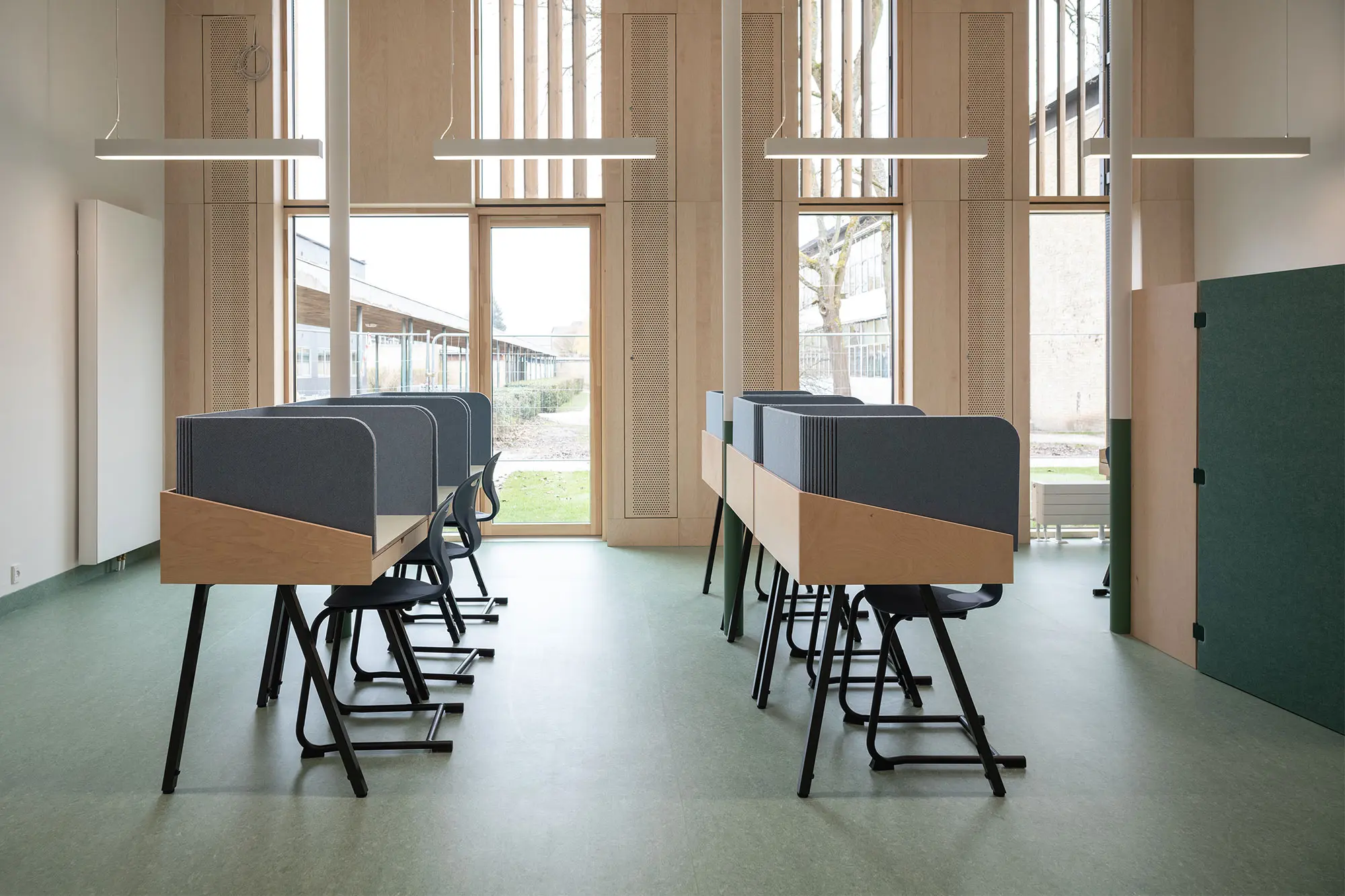
Valhøj School
Did you know...
Students spend an average of 85-90 % of their time indoors - the majority of that time in schools and educational environments.
This places high demands on the indoor climate - and especially on lighting, which is of great importance for well-being, concentration and learning.
Glare - an overlooked challenge in lighting design
One of the biggest challenges in creating good lighting is avoiding glare. When the eye is exposed to light that exceeds its ability to adapt, it can result in discomfort, reduced vision quality and increased fatigue.
Glare typically arises from the interplay of high brightness, poor luminaire placement, annoying reflections and sharp contrasts in the field of view. It's not just about visual comfort - it's also about ensuring functionality and safety in both educational and workplace environments.
Want to ensure the right lighting without glare?
Contact us here - we help create lighting solutions that combine comfort, function and aesthetics.